From Newsgroup: sci.misc
From the -2sweaty balls-+ department:
Feed: TIME
Title: How Your Body Adapts to Changing Temperatures
Author: Veronique Greenwood
Date: Thu, 27 Aug 2026 14:48:33 +0000
Link:
https://time.com/article/2026/08/27/how-your-body-adapts-to-heat-temperature-changes/
Podcast Download URL:
https://static.time.com/v3/assets/bltea6093859af6183b/blt939efc11e791873d/6988c1342dce0139f39ece15/time-health-stock-sweat2.jpg?branch=production
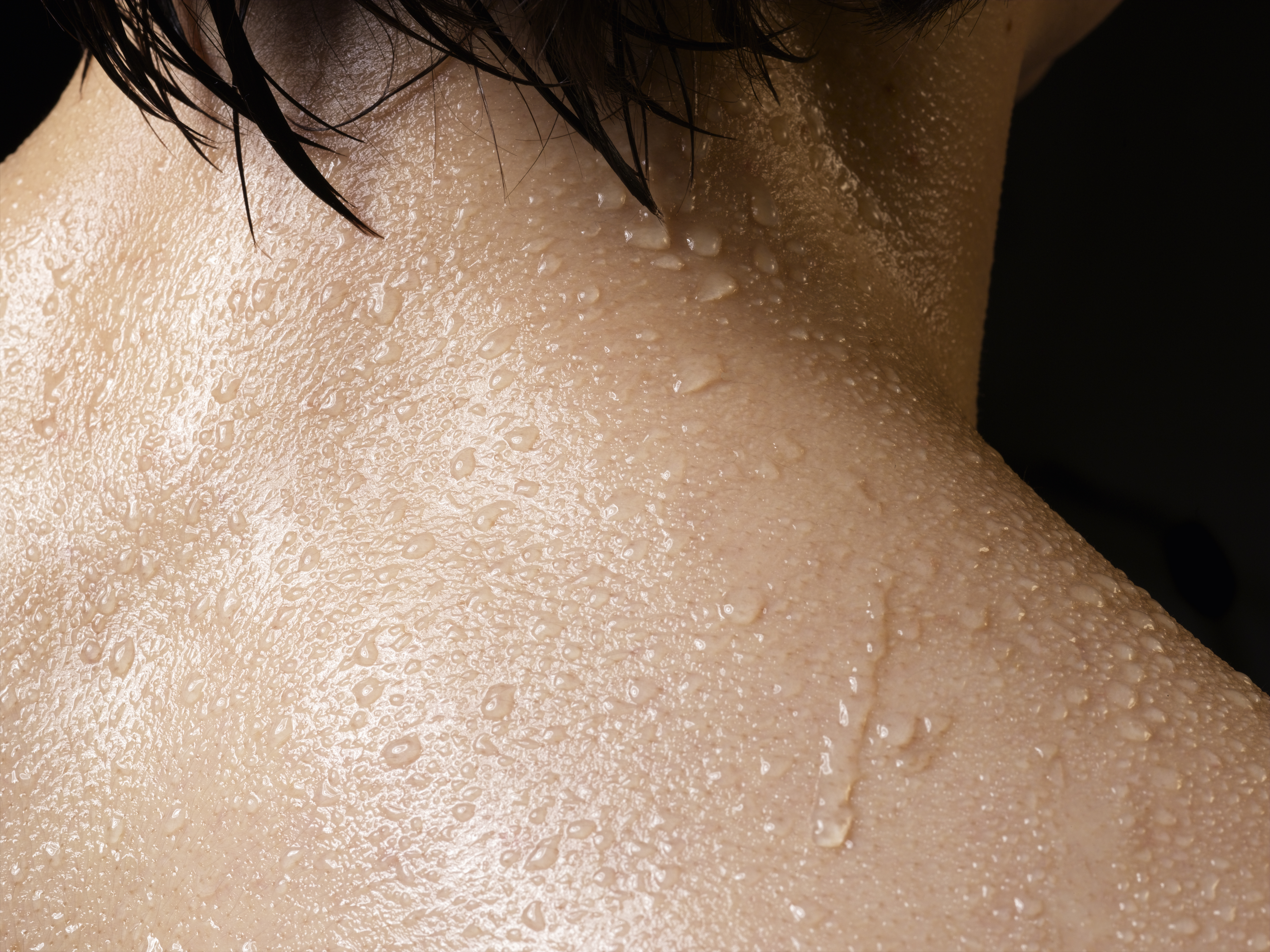
[image 1 (link #1)] rCoGetty Images
The first heat wave[2] of summer hits like a wall[3]. One day the air is
crisp and cool, and the next itrCOs impossible to go out without sweating through a shirt. The store feels like itrCOs on the far side of the
Amazon, or maybe the Gobi. And yet, the thermometer reveals a number
that is not all that high, compared to later in the season. So why is
the heat so unbearable[4]?
Scientists who study temperature regulation have found that the body
takes time to adjust to seasonal changes[5] and other thermal changes: a process called heat acclimatization. Research suggests that in people
who regularly spend time outside, the body adjusts how it sheds heat to
make the environment less stressful[6]. rCLWe can adapt to the heat we're
in, and it's obviously progressive,rCY says Julien P|-riard, a professor at University of Canberra in Australia who studies the phenomenon. Your
body in the summer, it turns out, might be fundamentally different from
your body in the winter.
How does the body adapt to seasonal temperature changes?
Spending most of your time indoors in the air conditioning might slow
the bodyrCOs changes, come summer. rCLBut if we spend time outside
exercising, or even just being physically active outdoors, we'll adapt
to those conditions,rCY P|-riard says.
When you go for a walk on a hot summer day, before yourCOve adapted to the heat, both your skin temperature and your core temperature may go up[7].
That sets off alarms in the body, announcing heat stress. rCLWith that, we trigger lots of sweating, and we increase our skin blood flow,rCY says P|-riard. Sweat evaporates from the skin, cooling skin down, and blood
sent to the surface of the body helps shed heat.
The volume of blood pumping through the body also goes up. More blood
volume allows more heat to be shed and supports greater sweating without dehydration. There are also changes at the level of the cell, with some proteinsrCO production going up to protect normal functioning in greater
heat. The process of reaching a fully adapted state might take a few
weeks, although the precise details will depend on the situation.
These changes can be triggered in advance, with a little bit of exposure
at a time. In fact, athletes[8] and people working in warm conditions,
like utility workers out in the Texas sun all day,[9] may slowly ramp up
their time in the heat to stay healthy under strain.
Does adapting to heat reduce the risk of heat stroke?
Being adapted to the heat lowers the risks[10]. But it isnrCOt carte
blanche to go for a run at noon in Havana. People whorCOve adapted are
still vulnerable to heat-related illness, like heat stroke and heat
exhaustion, says Glen Kenny, a professor of physiology at the University
of Ottawa in Canada.
WhatrCOs more, researchers who study heat adaptation are worried about the stresses that the future climate will bring, when warming may be so
swift, and so extreme, that the body canrCOt react fast enough. In an experiment meant to mimic an extreme 3-day heat wave in 2021 that killed
619 people in British Columbia alone[11], Kenny spent three days at
104-#F in a special chamber in his lab, which allowed him and his
colleagues to monitor what happens to the body. rCLOver three days, you'll
see that the body will show some progressive adaptation. But in this
situation, you're seeing a decay in the physiological system supporting
the maintenance of core temperature,rCY he says. He lost about 10 pounds
in three days[12] because he couldnrCOt hydrate fast enough. rCLYou're
losing so much sweat. You're seeing cell function deteriorate.rCY
What happens if you lose your heat adaptation?
Spending a few weeks in a cooler climate can mean the body will roll
back some of these changes. rCLBut what's interesting is we have some sort
of heat acclimation memory[13],rCY says P|-riard. rCLIf within a month, for example, I've removed you from the heat, and then I've put you back in
the heat, in three or four days you'll probably get adaptations that are similarrCY to what would have taken ten days to build up originally.
Does your body adapt to the cold, too? Yes, but thererCOs a lot less to
work with, says P|-riard. rCLWe've evolved to be tropical animals, so our heat-loss mechanisms are very potent. But if you think of conserving
heat, the only two things we can do are physical constrictionrCoto try and
keep the warm blood in the central circulation, essentiallyrCoor
shivering, which produces a bit of heat but not too much.rCY Exercising
can warm you up, but an essential feature of human culturerCoclothingrCohas
a far more important role to play here than biology.
rCLYou can exercise all you want. But if it's -40-# outside, you're going
to get cold pretty quickly if you don't have any clothes on,rCY he says.
Links:
[1]:
https://static.time.com/v3/assets/bltea6093859af6183b/blt939efc11e791873d/6988c1342dce0139f39ece15/time-health-stock-sweat2.jpg?branch=production (image)
[2]:
https://time.com/article/2026/08/19/as-students-return-to-school-america-s-classrooms-are-dangerously-hot/ (link)
[3]:
https://time.com/tag/heat/ (link)
[4]:
https://time.com/article/2026/07/16/risks-combined-bad-air-quality-extreme-heat-wildfires/ (link)
[5]:
https://www.sciencedirect.com/topics/biochemistry-genetics-and-molecular-biology/heat-acclimatization (link)
[6]:
https://pubmed.ncbi.nlm.nih.gov/35460514/ (link)
[7]:
https://pmc.ncbi.nlm.nih.gov/articles/PMC6555564/ (link)
[8]:
https://scholar.google.com/citations?view_op=view_citation&hl=en&user=y4ondDcAAAAJ&sortby=pubdate&citation_for_view=y4ondDcAAAAJ:NXb4pA-qfm4C (link)
[9]:
https://www.powermag.com/the-heat-is-on-summer-safety-for-power-crews/ (link)
[10]:
https://www.dir.ca.gov/dosh/etools/08-006/EWP_acclimatization.htm (link) [11]:
https://www2.gov.bc.ca/assets/gov/birth-adoption-death-marriage-and-divorce/deaths/coroners-service/death-review-panel/extreme_heat_death_review_panel_report.pdf (link)
[12]:
https://news.bloomberglaw.com/health-law-and-business/man-shuts-himself-in-104f-chamber-in-quest-to-study-heat-stress (link)
[13]:
https://pmc.ncbi.nlm.nih.gov/articles/PMC10585612/ (link)
--- Synchronet 3.22a-Linux NewsLink 1.2