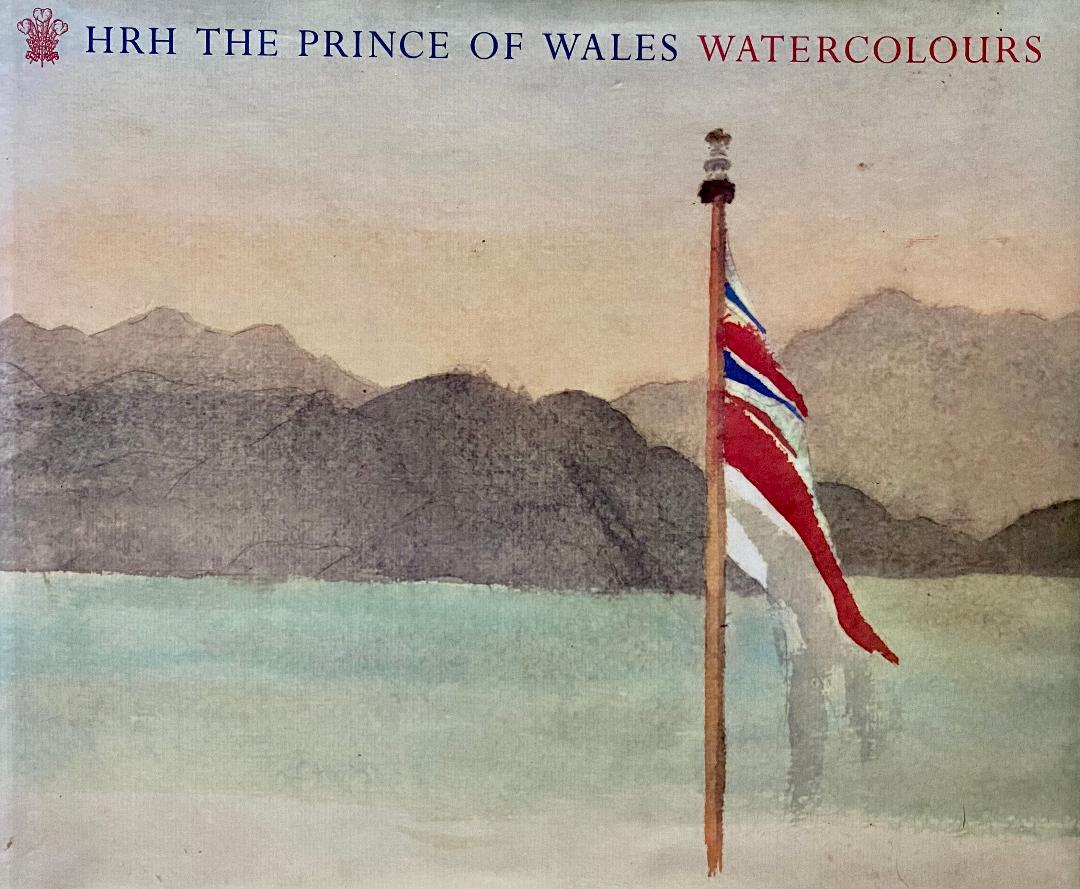
* Game 8, Round 7 - Art - Politician-Artists
The following questions are about politicians, rulers, or statesmen
who have tried their hand at painting, or vice versa.
1. Who painted "The Courtyard of the Old Residency" in Munich
in 1914?
3. Who painted portraits of many world leaders, including himself,
Saddam Hussein, and Osama bin Laden?
4. Which European monarch did a pencil-sketch study of their own
face in 1845?
5. Who painted his last painting, of a ship in a storm, in 1961
shortly before he first started to show signs of Parkinson's
Disease?
9. Who gave one of his last paintings, an oil painting he did in
1967 of his home near Gettysburg, to his golf caddy, Arthur
Kennell?
* Game 8, Round 8 - Geography - "Lost" and Mythical Places
1. Who was the first to write about Atlantis, a legendary empire
that had conquered Europe but sank into the ocean when they
angered the gods by trying to conquer Ancient Athens?
3. Early Spanish explorers told the story of a city so rich that
the king would cover himself from head to foot in gold dust and
then dive into a sacred lake to wash it off. They referred
to the king as the Golden One, "el dorado", a name which
eventually came to be applied to the city itself. In 1537,
Gonzalo Jim|-nez de Quesada y Rivera was the first conquistador
to reach the plateau where the sacred lake of El Dorado was
believed to lie and claimed it in the name of Spain. In what
modern country does the plateau claimed by Jim|-nez now lie?
4. Saint Brendan's Island -- named after the Irish monk, missionary,
and adventurer -- is regarded as mythical by many who regard
accounts of Brendan's voyage to be allegorical legends.
But when it has been drawn on maps, as it often has from the
14th century to the 18th century, it is always drawn in the
same position, slightly northwest of a group of small islands.
What is the name of that group of islands?
10. The specific locations of the cities of Sodom and Gomorrah have
never been definitively identified. But the Book of Genesis
in the Old Testament refers to Sodom and Gomorrah as two of the
five "cities of the plain". What is the name of the plain that
Sodom and Gomorrah were said to be located on?
* Game 8, Round 7 - Art - Politician-Artists
The following questions are about politicians, rulers, or statesmen
who have tried their hand at painting, or vice versa.
1. Who painted "The Courtyard of the Old Residency" in Munich
in 1914?
2. Who painted Emerald Lake in 1923, but mislabeled it as
Lake Louise?
3. Who painted portraits of many world leaders, including himself,
Saddam Hussein, and Osama bin Laden?
4. Which European monarch did a pencil-sketch study of their own
face in 1845?
5. Who painted his last painting, of a ship in a storm, in 1961
shortly before he first started to show signs of Parkinson's
Disease?
6. Who painted "Double Haven Bay" in Hong Kong in 1989?
7. Which world leader who attended the G7 Summit in Kananaskis
collaborated with another artist on a sculpture-painting that
was auctioned by Sotheby's for a charitable cause?
8. When Edvin Rama began painting as a child, his talent was
recognized by influential adult painters who encouraged him to
become a professional artist. He studied art in university, and
moved to France to begin a career as a painter. But in 1998,
he accepted the offer of a Cabinet position in the government
of his home country following the collapse of communism.
He became prime minister in 2013 and still holds that office.
What country does he lead?
9. Who gave one of his last paintings, an oil painting he did in
1967 of his home near Gettysburg, to his golf caddy, Arthur
Kennell?
10. Who gave one of his first paintings, a landscape scene done
in 1840, to his girlfriend at that time, Kate Lowe?
After completing this round, please decode the rot13: Vs nal bs
lbhe nafjref vf n HF cerfvqrag, lbh zhfg anzr uvz hanzovthbhfyl.
Tb onpx naq nqq vasbezngvba nf arprffnel.
* Game 8, Round 8 - Geography - "Lost" and Mythical Places
1. Who was the first to write about Atlantis, a legendary empire
that had conquered Europe but sank into the ocean when they
angered the gods by trying to conquer Ancient Athens?
2. Portuguese navigators described a place called the Island of
the Seven Cities, which was actually drawn by some 15th0century
cartographers. In 2006, Paul Chiasson's book "The Island
of Seven Cities", proposed that it was real because he had
identified ruins of centuries-old roads and buildings. What
island did Chiasson believe was the Island of the Seven Cities?
3. Early Spanish explorers told the story of a city so rich that
the king would cover himself from head to foot in gold dust and
then dive into a sacred lake to wash it off. They referred
to the king as the Golden One, "el dorado", a name which
eventually came to be applied to the city itself. In 1537,
Gonzalo Jim|-nez de Quesada y Rivera was the first conquistador
to reach the plateau where the sacred lake of El Dorado was
believed to lie and claimed it in the name of Spain. In what
modern country does the plateau claimed by Jim|-nez now lie?
4. Saint Brendan's Island -- named after the Irish monk, missionary,
and adventurer -- is regarded as mythical by many who regard
accounts of Brendan's voyage to be allegorical legends.
But when it has been drawn on maps, as it often has from the
14th century to the 18th century, it is always drawn in the
same position, slightly northwest of a group of small islands.
What is the name of that group of islands?
5. Many 14th-to-16th-century cartographers drew an island west of
Ireland and south of Iceland. This island is commonly referred
to by the name used by the cartographer Gerardus Mercator
on his 1595 map of Europe. What name did Mercator assign to
this island?
6. In his 1933 novel "Lost Horizon", James Hilton portrays
Shangri-La as a mystical, harmonious valley in the Kunlun
Mountains of Tibet, gently guided by Buddhist monks. What is
the English translation of the Tibetan words "shangri la"?
7. Tibetan Buddhism describes a mythical kingdom called "Shambala",
which is a Sanskrit word taken from the name of the real city
known as Sambhal, which lies close to which major Asian river?
8. A 1753 Portuguese manuscript details the discovery of a huge
uninhabited city somewhere deep in the Amazon jungles of Brazil.
The name now commonly used for this mythical abandoned city
in the Amazon was given by Colonel Percy Harrison Fawcett
who went searching for the city in 1925. What is the name
that Fawcett gave to the city described in the 18th century
Portuguese manuscript?
9. Arthurian scholar Norris J. Lacy commented that Camelot, the home
of King Arthur's Court "was located nowhere in particular,
and can be anywhere". This has not deterred people from
making specific claims about the location of Arthur's Camelot.
Name any of the modern towns or cities that have claimed to be
the site of Camelot.
10. The specific locations of the cities of Sodom and Gomorrah have--
never been definitively identified. But the Book of Genesis
in the Old Testament refers to Sodom and Gomorrah as two of the
five "cities of the plain". What is the name of the plain that
Sodom and Gomorrah were said to be located on?
* Game 8, Round 7 - Art - Politician-Artists
1. Who painted "The Courtyard of the Old Residency" in Munich
in 1914?
4. Which European monarch did a pencil-sketch study of their own
face in 1845?
5. Who painted his last painting, of a ship in a storm, in 1961
shortly before he first started to show signs of Parkinson's
Disease?
8. When Edvin Rama began painting as a child, his talent was
recognized by influential adult painters who encouraged him to
become a professional artist. He studied art in university, and
moved to France to begin a career as a painter. But in 1998,
he accepted the offer of a Cabinet position in the government
of his home country following the collapse of communism.
He became prime minister in 2013 and still holds that office.
What country does he lead?
* Game 8, Round 8 - Geography - "Lost" and Mythical Places
1. Who was the first to write about Atlantis, a legendary empire
that had conquered Europe but sank into the ocean when they
angered the gods by trying to conquer Ancient Athens?
2. Portuguese navigators described a place called the Island of
the Seven Cities, which was actually drawn by some 15th0century
cartographers. In 2006, Paul Chiasson's book "The Island
of Seven Cities", proposed that it was real because he had
identified ruins of centuries-old roads and buildings. What
island did Chiasson believe was the Island of the Seven Cities?
3. Early Spanish explorers told the story of a city so rich that
the king would cover himself from head to foot in gold dust and
then dive into a sacred lake to wash it off. They referred
to the king as the Golden One, "el dorado", a name which
eventually came to be applied to the city itself. In 1537,
Gonzalo Jim?nez de Quesada y Rivera was the first conquistador
to reach the plateau where the sacred lake of El Dorado was
believed to lie and claimed it in the name of Spain. In what
modern country does the plateau claimed by Jim?nez now lie?
4. Saint Brendan's Island -- named after the Irish monk, missionary,
and adventurer -- is regarded as mythical by many who regard
accounts of Brendan's voyage to be allegorical legends.
But when it has been drawn on maps, as it often has from the
14th century to the 18th century, it is always drawn in the
same position, slightly northwest of a group of small islands.
What is the name of that group of islands?
7. Tibetan Buddhism describes a mythical kingdom called "Shambala",
which is a Sanskrit word taken from the name of the real city
known as Sambhal, which lies close to which major Asian river?
8. A 1753 Portuguese manuscript details the discovery of a huge
uninhabited city somewhere deep in the Amazon jungles of Brazil.
The name now commonly used for this mythical abandoned city
in the Amazon was given by Colonel Percy Harrison Fawcett
who went searching for the city in 1925. What is the name
that Fawcett gave to the city described in the 18th century
Portuguese manuscript?
9. Arthurian scholar Norris J. Lacy commented that Camelot, the home
of King Arthur's Court "was located nowhere in particular,
and can be anywhere". This has not deterred people from
making specific claims about the location of Arthur's Camelot.
Name any of the modern towns or cities that have claimed to be
the site of Camelot.
* Game 8, Round 7 - Art - Politician-Artists
4. Which European monarch did a pencil-sketch study of their own
face in 1845?
5. Who painted his last painting, of a ship in a storm, in 1961
shortly before he first started to show signs of Parkinson's
Disease?
6. Who painted "Double Haven Bay" in Hong Kong in 1989?
8. When Edvin Rama began painting as a child, his talent was
recognized by influential adult painters who encouraged him to
become a professional artist. He studied art in university, and
moved to France to begin a career as a painter. But in 1998,
he accepted the offer of a Cabinet position in the government
of his home country following the collapse of communism.
He became prime minister in 2013 and still holds that office.
What country does he lead?
9. Who gave one of his last paintings, an oil painting he did in
1967 of his home near Gettysburg, to his golf caddy, Arthur
Kennell?
* Game 8, Round 8 - Geography - "Lost" and Mythical Places
2. Portuguese navigators described a place called the Island of
the Seven Cities, which was actually drawn by some 15th0century
cartographers. In 2006, Paul Chiasson's book "The Island
of Seven Cities", proposed that it was real because he had
identified ruins of centuries-old roads and buildings. What
island did Chiasson believe was the Island of the Seven Cities?
3. Early Spanish explorers told the story of a city so rich that
the king would cover himself from head to foot in gold dust and
then dive into a sacred lake to wash it off. They referred
to the king as the Golden One, "el dorado", a name which
eventually came to be applied to the city itself. In 1537,
Gonzalo Jimonez de Quesada y Rivera was the first conquistador
to reach the plateau where the sacred lake of El Dorado was
believed to lie and claimed it in the name of Spain. In what
modern country does the plateau claimed by Jimonez now lie?
4. Saint Brendan's Island -- named after the Irish monk, missionary,
and adventurer -- is regarded as mythical by many who regard
accounts of Brendan's voyage to be allegorical legends.
But when it has been drawn on maps, as it often has from the
14th century to the 18th century, it is always drawn in the
same position, slightly northwest of a group of small islands.
What is the name of that group of islands?
7. Tibetan Buddhism describes a mythical kingdom called "Shambala",
which is a Sanskrit word taken from the name of the real city
known as Sambhal, which lies close to which major Asian river?
9. Arthurian scholar Norris J. Lacy commented that Camelot, the home
of King Arthur's Court "was located nowhere in particular,
and can be anywhere". This has not deterred people from
making specific claims about the location of Arthur's Camelot.
Name any of the modern towns or cities that have claimed to be
the site of Camelot.
These questions were written to be asked in Toronto on 2025-11-10,
and should be interpreted accordingly... For further information
please see my 2026-03-10 companion posting on "Questions from the
Canadian Inquisition (QFTCI*)".
* Game 8, Round 7 - Art - Politician-Artists
The following questions are about politicians, rulers, or statesmen
who have tried their hand at painting, or vice versa.
1. Who painted "The Courtyard of the Old Residency" in Munich
in 1914?
2. Who painted Emerald Lake in 1923, but mislabeled it as
Lake Louise?
3. Who painted portraits of many world leaders, including himself,
Saddam Hussein, and Osama bin Laden?
4. Which European monarch did a pencil-sketch study of their own
face in 1845?
5. Who painted his last painting, of a ship in a storm, in 1961
shortly before he first started to show signs of Parkinson's
Disease?
6. Who painted "Double Haven Bay" in Hong Kong in 1989?
7. Which world leader who attended the G7 Summit in Kananaskis
collaborated with another artist on a sculpture-painting that
was auctioned by Sotheby's for a charitable cause?
8. When Edvin Rama began painting as a child, his talent was
recognized by influential adult painters who encouraged him to
become a professional artist. He studied art in university, and
moved to France to begin a career as a painter. But in 1998,
he accepted the offer of a Cabinet position in the government
of his home country following the collapse of communism.
He became prime minister in 2013 and still holds that office.
What country does he lead?
9. Who gave one of his last paintings, an oil painting he did in
1967 of his home near Gettysburg, to his golf caddy, Arthur
Kennell?
10. Who gave one of his first paintings, a landscape scene done
in 1840, to his girlfriend at that time, Kate Lowe?
* Game 8, Round 8 - Geography - "Lost" and Mythical Places
1. Who was the first to write about Atlantis, a legendary empire
that had conquered Europe but sank into the ocean when they
angered the gods by trying to conquer Ancient Athens?
2. Portuguese navigators described a place called the Island of
the Seven Cities, which was actually drawn by some 15th0century
cartographers. In 2006, Paul Chiasson's book "The Island
of Seven Cities", proposed that it was real because he had
identified ruins of centuries-old roads and buildings. What
island did Chiasson believe was the Island of the Seven Cities?
3. Early Spanish explorers told the story of a city so rich that
the king would cover himself from head to foot in gold dust and
then dive into a sacred lake to wash it off. They referred
to the king as the Golden One, "el dorado", a name which
eventually came to be applied to the city itself. In 1537,
Gonzalo Jimonez de Quesada y Rivera was the first conquistador
to reach the plateau where the sacred lake of El Dorado was
believed to lie and claimed it in the name of Spain. In what
modern country does the plateau claimed by Jimonez now lie?
4. Saint Brendan's Island -- named after the Irish monk, missionary,
and adventurer -- is regarded as mythical by many who regard
accounts of Brendan's voyage to be allegorical legends.
But when it has been drawn on maps, as it often has from the
14th century to the 18th century, it is always drawn in the
same position, slightly northwest of a group of small islands.
What is the name of that group of islands?
5. Many 14th-to-16th-century cartographers drew an island west of
Ireland and south of Iceland. This island is commonly referred
to by the name used by the cartographer Gerardus Mercator
on his 1595 map of Europe. What name did Mercator assign to
this island?
6. In his 1933 novel "Lost Horizon", James Hilton portrays
Shangri-La as a mystical, harmonious valley in the Kunlun
Mountains of Tibet, gently guided by Buddhist monks. What is
the English translation of the Tibetan words "shangri la"?
7. Tibetan Buddhism describes a mythical kingdom called "Shambala",
which is a Sanskrit word taken from the name of the real city
known as Sambhal, which lies close to which major Asian river?
8. A 1753 Portuguese manuscript details the discovery of a huge
uninhabited city somewhere deep in the Amazon jungles of Brazil.
The name now commonly used for this mythical abandoned city
in the Amazon was given by Colonel Percy Harrison Fawcett
who went searching for the city in 1925. What is the name
that Fawcett gave to the city described in the 18th century
Portuguese manuscript?
9. Arthurian scholar Norris J. Lacy commented that Camelot, the home
of King Arthur's Court "was located nowhere in particular,
and can be anywhere". This has not deterred people from
making specific claims about the location of Arthur's Camelot.
Name any of the modern towns or cities that have claimed to be
the site of Camelot.
10. The specific locations of the cities of Sodom and Gomorrah have
never been definitively identified. But the Book of Genesis
in the Old Testament refers to Sodom and Gomorrah as two of the
five "cities of the plain". What is the name of the plain that
Sodom and Gomorrah were said to be located on?
These questions were written to be asked in Toronto on 2025-11-10,
and should be interpreted accordingly... For further information
please see my 2026-03-10 companion posting on "Questions from the
Canadian Inquisition (QFTCI*)".
* Game 8, Round 7 - Art - Politician-Artists
The following questions are about politicians, rulers, or statesmen
who have tried their hand at painting, or vice versa.
1. Who painted "The Courtyard of the Old Residency" in Munich
in 1914?
2. Who painted Emerald Lake in 1923, but mislabeled it as
Lake Louise?
3. Who painted portraits of many world leaders, including himself,
Saddam Hussein, and Osama bin Laden?
4. Which European monarch did a pencil-sketch study of their own
face in 1845?
5. Who painted his last painting, of a ship in a storm, in 1961
shortly before he first started to show signs of Parkinson's
Disease?
6. Who painted "Double Haven Bay" in Hong Kong in 1989?
7. Which world leader who attended the G7 Summit in Kananaskis
collaborated with another artist on a sculpture-painting that
was auctioned by Sotheby's for a charitable cause?
8. When Edvin Rama began painting as a child, his talent was
recognized by influential adult painters who encouraged him to
become a professional artist. He studied art in university, and
moved to France to begin a career as a painter. But in 1998,
he accepted the offer of a Cabinet position in the government
of his home country following the collapse of communism.
He became prime minister in 2013 and still holds that office.
What country does he lead?
9. Who gave one of his last paintings, an oil painting he did in
1967 of his home near Gettysburg, to his golf caddy, Arthur
Kennell?
10. Who gave one of his first paintings, a landscape scene done
in 1840, to his girlfriend at that time, Kate Lowe?
* Game 8, Round 8 - Geography - "Lost" and Mythical Places
1. Who was the first to write about Atlantis, a legendary empire
that had conquered Europe but sank into the ocean when they
angered the gods by trying to conquer Ancient Athens?
2. Portuguese navigators described a place called the Island of
the Seven Cities, which was actually drawn by some 15th0century
cartographers. In 2006, Paul Chiasson's book "The Island
of Seven Cities", proposed that it was real because he had
identified ruins of centuries-old roads and buildings. What
island did Chiasson believe was the Island of the Seven Cities?
3. Early Spanish explorers told the story of a city so rich that
the king would cover himself from head to foot in gold dust and
then dive into a sacred lake to wash it off. They referred
to the king as the Golden One, "el dorado", a name which
eventually came to be applied to the city itself. In 1537,
Gonzalo Jimonez de Quesada y Rivera was the first conquistador
to reach the plateau where the sacred lake of El Dorado was
believed to lie and claimed it in the name of Spain. In what
modern country does the plateau claimed by Jimonez now lie?
4. Saint Brendan's Island -- named after the Irish monk, missionary,
and adventurer -- is regarded as mythical by many who regard
accounts of Brendan's voyage to be allegorical legends.
But when it has been drawn on maps, as it often has from the
14th century to the 18th century, it is always drawn in the
same position, slightly northwest of a group of small islands.
What is the name of that group of islands?
5. Many 14th-to-16th-century cartographers drew an island west of
Ireland and south of Iceland. This island is commonly referred
to by the name used by the cartographer Gerardus Mercator
on his 1595 map of Europe. What name did Mercator assign to
this island?
6. In his 1933 novel "Lost Horizon", James Hilton portrays
Shangri-La as a mystical, harmonious valley in the Kunlun
Mountains of Tibet, gently guided by Buddhist monks. What is
the English translation of the Tibetan words "shangri la"?
7. Tibetan Buddhism describes a mythical kingdom called "Shambala",
which is a Sanskrit word taken from the name of the real city
known as Sambhal, which lies close to which major Asian river?
8. A 1753 Portuguese manuscript details the discovery of a huge
uninhabited city somewhere deep in the Amazon jungles of Brazil.
The name now commonly used for this mythical abandoned city
in the Amazon was given by Colonel Percy Harrison Fawcett
who went searching for the city in 1925. What is the name
that Fawcett gave to the city described in the 18th century
Portuguese manuscript?
9. Arthurian scholar Norris J. Lacy commented that Camelot, the home
of King Arthur's Court "was located nowhere in particular,
and can be anywhere". This has not deterred people from
making specific claims about the location of Arthur's Camelot.
Name any of the modern towns or cities that have claimed to be
the site of Camelot.
10. The specific locations of the cities of Sodom and Gomorrah have
never been definitively identified. But the Book of Genesis
in the Old Testament refers to Sodom and Gomorrah as two of the
five "cities of the plain". What is the name of the plain that
Sodom and Gomorrah were said to be located on?
| Sysop: | Amessyroom |
|---|---|
| Location: | Fayetteville, NC |
| Users: | 74 |
| Nodes: | 6 (0 / 6) |
| Uptime: | 02:24:59 |
| Calls: | 1,102 |
| Calls today: | 2 |
| Files: | 1,339 |
| Messages: | 276,962 |