From Newsgroup: rec.bicycles.tech
Flames were billowing out of the apartment on Norwalk Avenue in San Jose
when firefighters arrived Friday morning, and one of the occupants had collapsed, overcome by toxic smoke.
The San Jose Fire Department later determined the cause of the fire was an e-bike battery that began sparking. One person inside fled quickly, but
the other had tried to fight the blaze. Moments later, that person exited
the apartment and collapsed.
A neighbor performed CPR, but the victim died at a local hospital soon
after.
No additional information was immediately available about the victim of
the fire, but the death highlights the continued danger of lithium-ion
battery fires, which have surged over the last decade, keeping pace with
the rapid rise of battery-powered vehicles like e-bikes and electric
scooters. The lightweight batteries have enabled these devices, but can
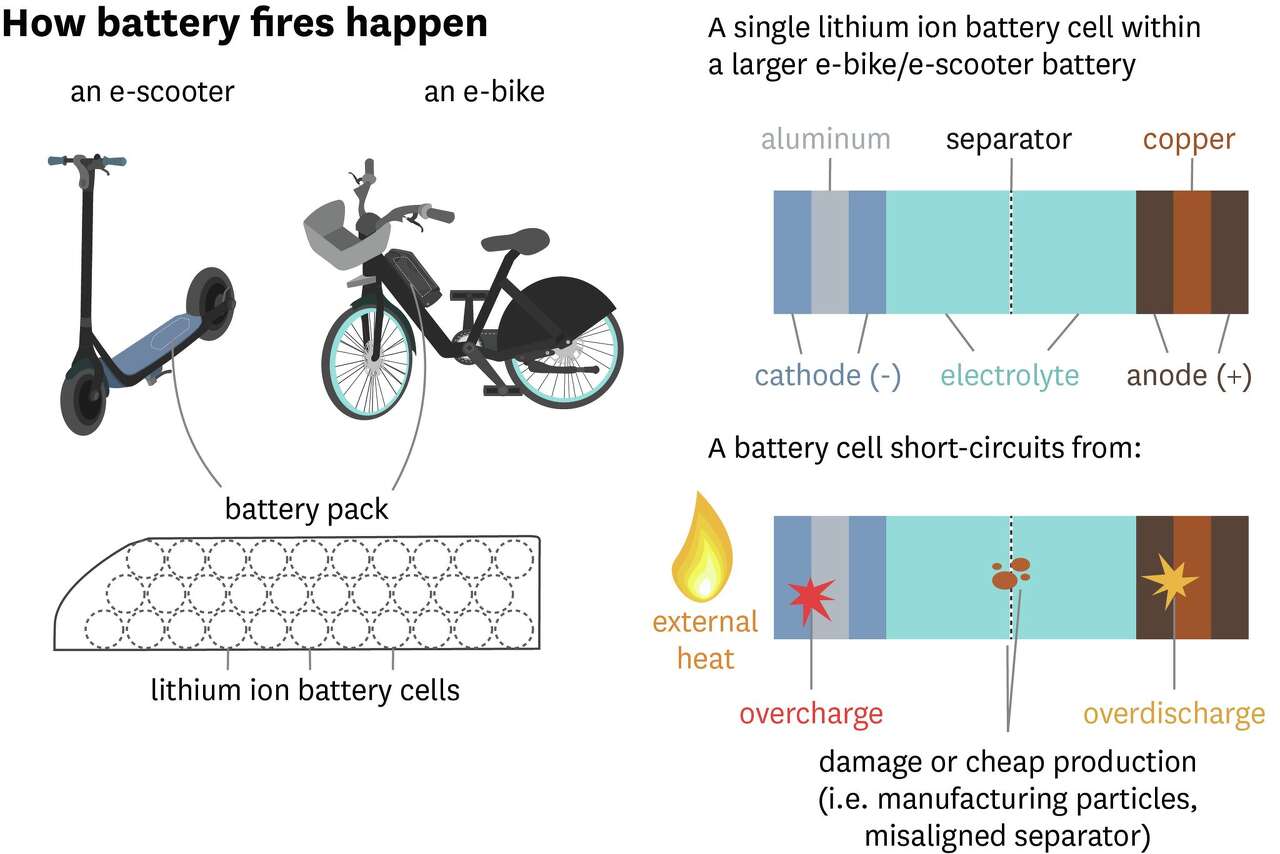
also overheat, catch fire or explode if damaged or poorly manufactured rCo
and the fires they create are particularly hazardous.
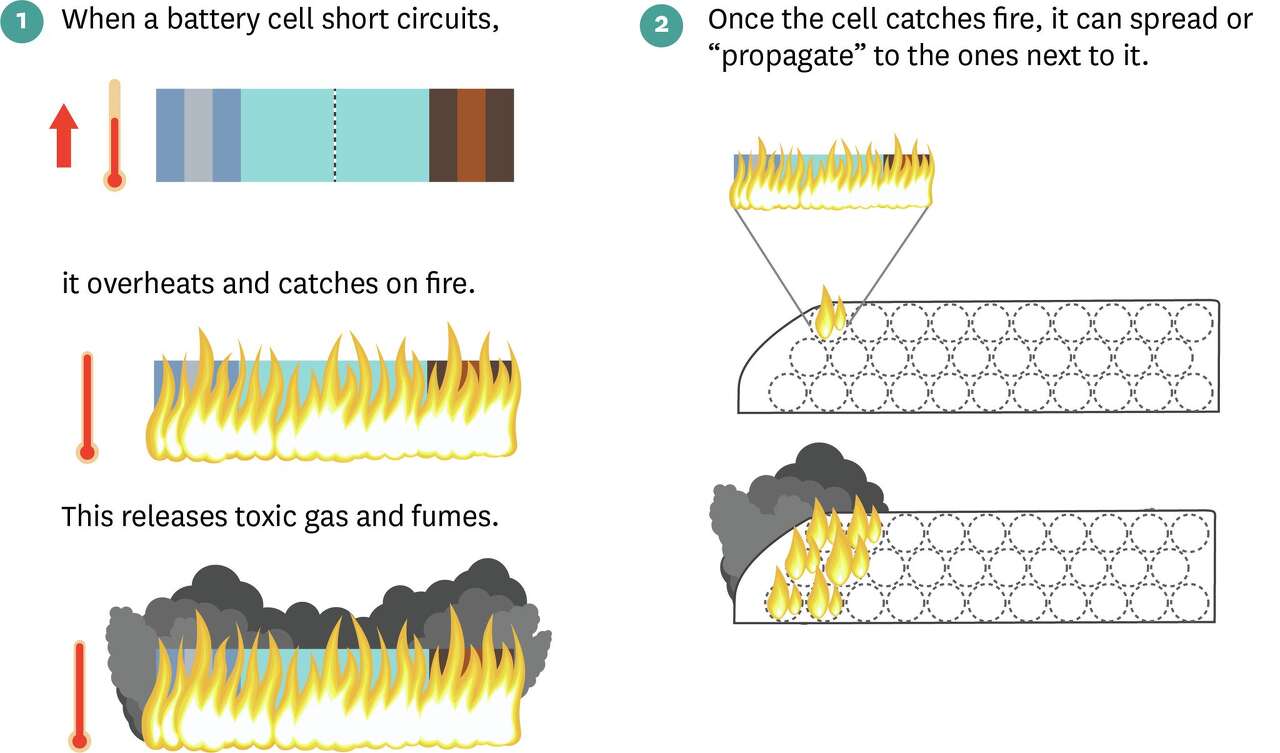
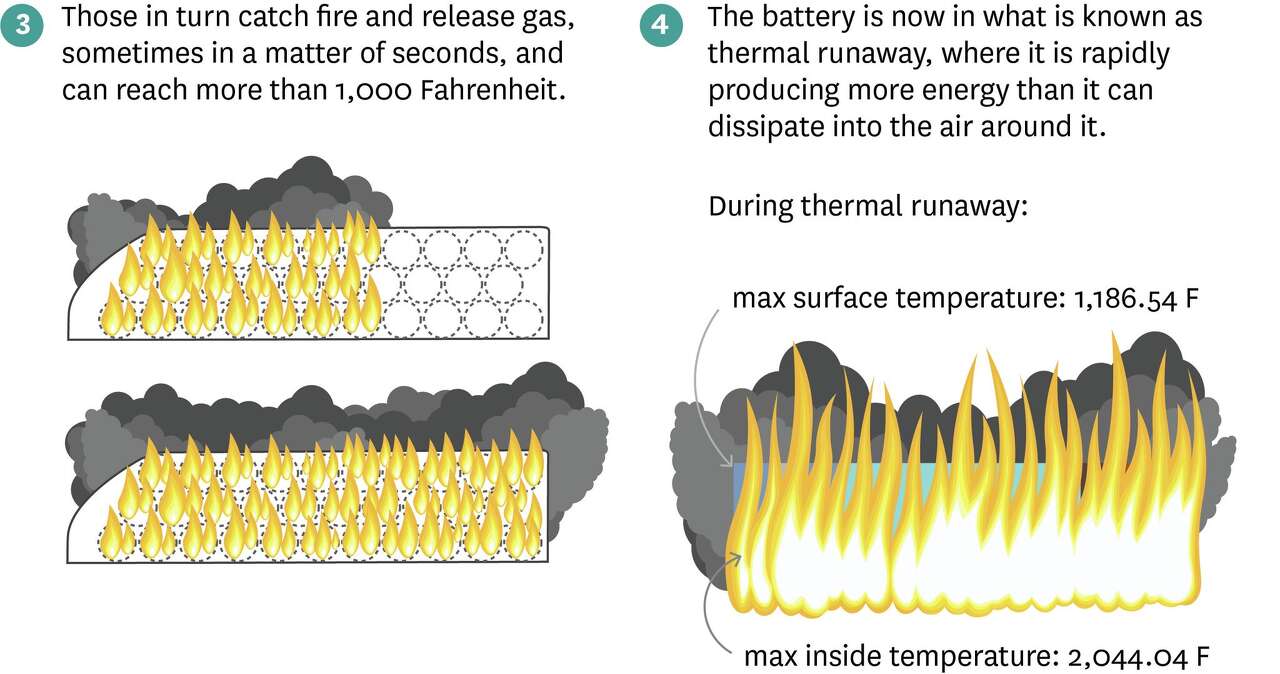
rCLLithium-ion battery fires produce thick, toxic smoke within seconds,
which can contain carbon monoxide and other highly irritating gases,rCY officials from the San Jose Fire Department warned in a social media post regarding the fatal blaze. rCLEven trained firefighters do not enter smoke- filled environments without proper protective gear and self-contained breathing apparatus, because exposure can be deadly within moments.rCY
https://s.hdnux.com/photos/0/0/0/0/24018885/3/1280x0.jpg https://s.hdnux.com/photos/0/0/0/0/24018884/3/1280x0.jpg https://s.hdnux.com/photos/0/0/0/0/24018886/3/1280x0.jpg https://s.hdnux.com/photos/0/0/0/0/24018883/3/1280x0.jpg
The San Jose blaze came just two days after a similar fire hospitalized
one person in San Francisco at an apartment in the Seneca Hotel on Sixth Street. More information about their condition wasnrCOt available Saturday.
Cities across the Bay Area have seen a significant increase in fires they
say were caused by lithium-ion batteries over the past decade. Fires
caused by failing or damaged batteries more than quadrupled between 2017
and 2022, the Chronicle previously reported.
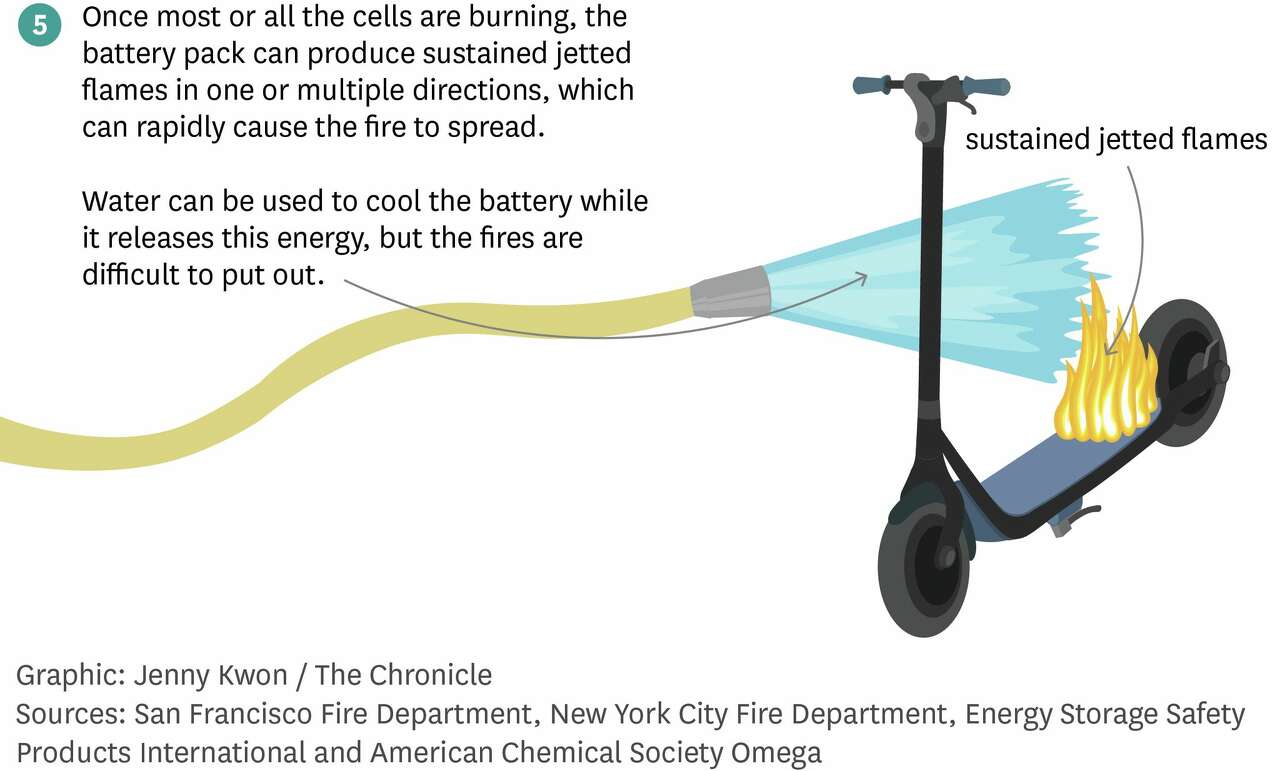
rCLThese devices can cause explosions and dangerous fires that spread rapidly,rCY said SFFD spokesperson Robert Menchaca. rCLThe toxic fumes that the batteries emit are hazardous and sometimes deadly to inhale, and can
burn skin. They require large amounts of water to extinguish, and
sometimes the use of CO2 fire extinguishers as well.rCY
The ubiquity of the devices in many homes has forced firefighters to use
extra caution during operations, Menchaca said.
In light of the surge in fires, the department has rolled out a series of public service announcements about how to properly charge lithium-ion batteries, and San Francisco supervisors passed a new fire code in 2024 regulating the use, ownership and storage of rCLbattery-powered mobility devicesrCY in the city.
The ordinance caps the number of battery-powered mobility devices to four
per apartment, requires they be charged per manufacturer standards, and inspected when they are dropped, cracked or involved in accidents. The ordinance also prohibits the disposal of lithium-ion batteries in
landfills and recycling and compost bins.
https://www.sfchronicle.com/bayarea/article/lithium-ion-fires-22189249.php
--- Synchronet 3.21f-Linux NewsLink 1.2