From Newsgroup: alt.home.repair
On Wed, 15 Apr 2026 20:26:11 GMT
ItsJoanNotJoAnn@webtv.net <
user4742@newsgrouper.org.invalid> wrote:
Bryan Simmons <bryangsimmons@gmail.com> posted:
The extra upfront costs of a gas dryer, plus the cost of
installation, mean it would take quite a few years to reach the
break even point.
I don't have a gas dryer, just a gas kitchen range, but it came with
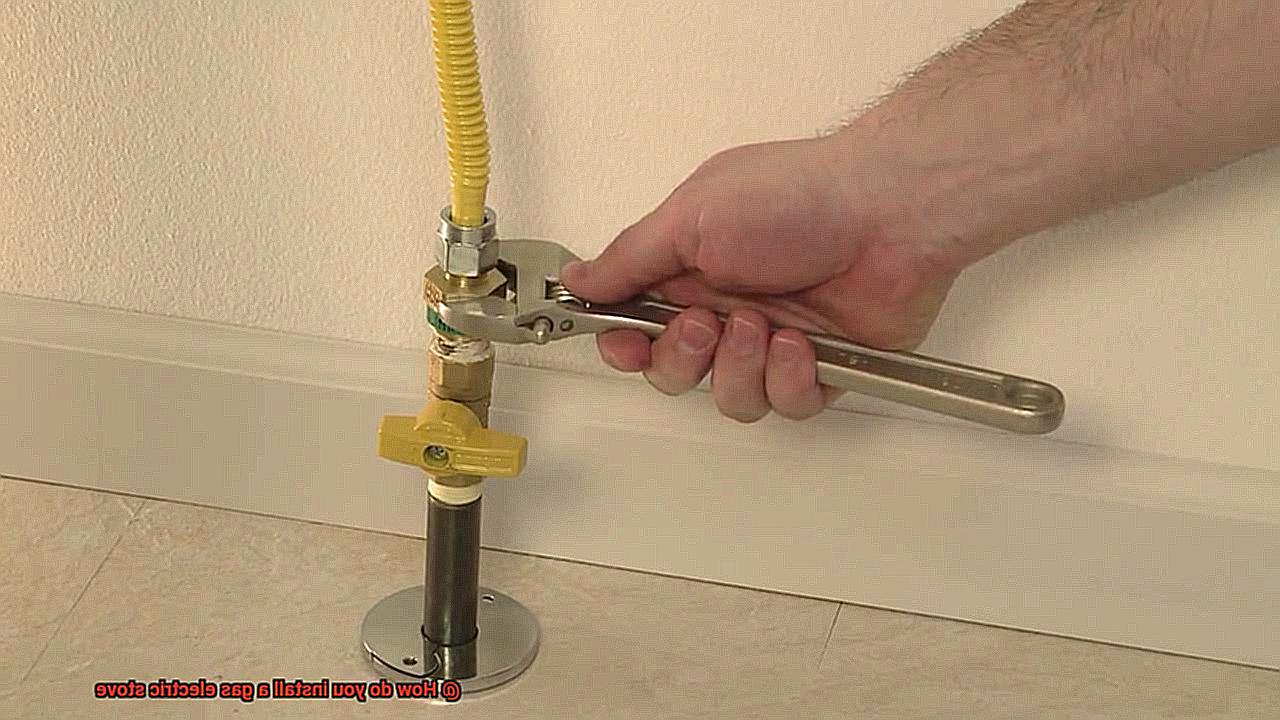
the connector. My a/c guy at the time connected the short metal pipe
and the yellow corrugated tubing to my stove and I do remember the
yellow tubing being included in the purchase price. I'm wondering if
the yellow connection would be included in a dryer purchase?
https://i.postimg.cc/GhC8jKVR/Gas-Connector.jpg
Yellow seems denote it's a gas line and I do appreciate that it's
flexible allowing me to move the stove and clean the dust bunnies out
every 100 years.
~
Aside from the hypocrisy of your being just fine talking plumbing and
gas lines in a cooking group - while griping about guitars!!!
I see two potential concerns:
1. The flooring escutcheon is not firmly screwed down.
2. That looks a lot like white teflon plumber's tape on the valve to
hard gas line threading.
NEVER USE PLUMBERS TAPE for a gas line.
AI Overview
Teflon Tape vs Pipe Dope rCo Which Is Best for Leak Seals ...Standard white Teflon (PTFE) tape should not be used for gas lines because it is too thin, can shred and clog valves, or degrade over time, leading to dangerous leaks. Instead, use yellow gas-rated PTFE tape (which is thicker/high-density) or specialized pipe dope to ensure a safe, secure seal.
Why You Must Avoid Standard (White) Tape for Gas:
Safety Hazard: It can fail under high pressure or temperature, causing leaks. Shredding: It can break into small pieces, clogging regulators and gas valves. Lubrication Issue: It is too slick, which can lead to over-tightening of fittings, causing them to split.
Recommended Alternatives for Gas Lines:
Yellow Teflon Tape: Specifically designed and rated for natural gas and propane.
Pipe Dope: Often considered superior by professionals, it creates a true thread sealant and is less likely to cause leaks.
Combined Method: Many plumbers use yellow tape and apply pipe dope over
the threads for maximum protection.
--- Synchronet 3.21f-Linux NewsLink 1.2