BBC News
Cairngorm funicular
Costs of keeping funicular going may outweigh its benefits, say MSPs
35 minutes ago
The costs of keeping the UK's highest railway running could outweigh its economic benefits, MSPs have warned.
The Cairngorm funicular opened in 2001 at a cost -u19.5m but in recent
years it has been closed for lengthy periods of time with repairs
totalling more than -u16m.
....
https://www.bbc.co.uk/news/articles/c2e4npmmgy4o
BBC News
Cairngorm funicular
Costs of keeping funicular going may outweigh its benefits, say MSPs
35 minutes ago
The costs of keeping the UK's highest railway running could outweigh its economic benefits, MSPs have warned.
The Cairngorm funicular opened in 2001 at a cost -u19.5m but in recent
years it has been closed for lengthy periods of time with repairs
totalling more than -u16m.
IrCOve not followed this saga in any detail, but am curious about why the troubled funicular hasnrCOt been replaced with a cable car, as would probably have happened in Switzerland? Funiculars were a 19th century solution for getting up mountains, while cable cars are a more modern, more flexible, lower cost, faster solution. Many original funiculars have been replaced by faster, higher capacity cable cars or gondolas. It would probably take less time to replace the funicular than to fix it.
On 24/02/2026 11:13, Recliner wrote:
IrCOve not followed this saga in any detail, but am curious about why the
troubled funicular hasnrCOt been replaced with a cable car, as would
probably
have happened in Switzerland?-a Funiculars were a 19th century solution
for
getting up mountains, while cable cars are a more modern, more flexible,
lower cost, faster solution. Many original funiculars have been
replaced by
faster, higher capacity cable cars or gondolas. It would probably take
less
time to replace the funicular than to fix it.
And gondolas cannot operate when windy but funiculars are probably not affected much by the wind.
On 24/02/2026 11:13, Recliner wrote:
IrCOve not followed this saga in any detail, but am curious about why the
troubled funicular hasnrCOt been replaced with a cable car, as would probably
have happened in Switzerland? Funiculars were a 19th century solution for >> getting up mountains, while cable cars are a more modern, more flexible,
lower cost, faster solution. Many original funiculars have been replaced by >> faster, higher capacity cable cars or gondolas. It would probably take less >> time to replace the funicular than to fix it.
And gondolas cannot operate when windy but funiculars are probably not affected much by the wind.
JMB99 <mb@nospam.net> wrote:
On 24/02/2026 11:13, Recliner wrote:
IAve not followed this saga in any detail, but am curious about why the
troubled funicular hasnAt been replaced with a cable car, as would probably >>> have happened in Switzerland? Funiculars were a 19th century solution for >>> getting up mountains, while cable cars are a more modern, more flexible, >>> lower cost, faster solution. Many original funiculars have been replaced by >>> faster, higher capacity cable cars or gondolas. It would probably take less >>> time to replace the funicular than to fix it.
And gondolas cannot operate when windy but funiculars are probably not
affected much by the wind.
The Stanserhorn CabriO cable car, which replaced a Victorian funicular, can >technically operate in winds of up to 90 km/h. However, in the interest of >ride comfort, operations are liable to be restricted or paused if winds >exceed 70 km/h. The Cairngorm funicular trains can operate in winds of up
to 100 to 120 km/h, but mostly donAt operate at all, regardless of wind >speed.
https://www.flickr.com/photos/recliner/18783912294/in/album-72157655028355348
On 24/02/2026 11:13, Recliner wrote:
IrCOve not followed this saga in any detail, but am curious about why the
troubled funicular hasnrCOt been replaced with a cable car, as would
probably
have happened in Switzerland?-a Funiculars were a 19th century solution
for
getting up mountains, while cable cars are a more modern, more flexible,
lower cost, faster solution. Many original funiculars have been
replaced by
faster, higher capacity cable cars or gondolas. It would probably take
less
time to replace the funicular than to fix it.
And gondolas cannot operate when windy but funiculars are probably not affected much by the wind.
On 24/02/2026 18:39, JMB99 wrote:
On 24/02/2026 11:13, Recliner wrote:
IrCOve not followed this saga in any detail, but am curious about why the >> troubled funicular hasnrCOt been replaced with a cable car, as would
probably
have happened in Switzerland?-a Funiculars were a 19th century solution >> for
getting up mountains, while cable cars are a more modern, more flexible, >> lower cost, faster solution. Many original funiculars have been
replaced by
faster, higher capacity cable cars or gondolas. It would probably take
less
time to replace the funicular than to fix it.
And gondolas cannot operate when windy but funiculars are probably not affected much by the wind.
Famously, Scottish 'mountains' are the only elevated ground in the world that experiences wind.
On Tue, 24 Feb 2026 17:03:15 GMT, Recliner <recliner.usenet@gmail.com>
wrote:
JMB99 <mb@nospam.net> wrote:The highest recorded wind speed on Cairn Gorm was 176 mph/283kph.
On 24/02/2026 11:13, Recliner wrote:
I-Ave not followed this saga in any detail, but am curious about why the >>>> troubled funicular hasn-At been replaced with a cable car, as would probably
have happened in Switzerland? Funiculars were a 19th century solution for >>>> getting up mountains, while cable cars are a more modern, more flexible, >>>> lower cost, faster solution. Many original funiculars have been replaced by
faster, higher capacity cable cars or gondolas. It would probably take less
time to replace the funicular than to fix it.
And gondolas cannot operate when windy but funiculars are probably not
affected much by the wind.
The Stanserhorn CabriO cable car, which replaced a Victorian funicular, can >> technically operate in winds of up to 90 km/h. However, in the interest of >> ride comfort, operations are liable to be restricted or paused if winds
exceed 70 km/h. The Cairngorm funicular trains can operate in winds of up
to 100 to 120 km/h, but mostly don-At operate at all, regardless of wind
speed.
https://www.flickr.com/photos/recliner/18783912294/in/album-72157655028355348
On Tue, 24 Feb 2026 17:03:15 GMT, Recliner <recliner.usenet@gmail.com>
wrote:
JMB99 <mb@nospam.net> wrote:The highest recorded wind speed on Cairn Gorm was 176 mph/283kph.
On 24/02/2026 11:13, Recliner wrote:
IrCOve not followed this saga in any detail, but am curious about why the >>>> troubled funicular hasnrCOt been replaced with a cable car, as would probably
have happened in Switzerland? Funiculars were a 19th century solution for >>>> getting up mountains, while cable cars are a more modern, more flexible, >>>> lower cost, faster solution. Many original funiculars have been replaced by
faster, higher capacity cable cars or gondolas. It would probably take less
time to replace the funicular than to fix it.
And gondolas cannot operate when windy but funiculars are probably not
affected much by the wind.
The Stanserhorn CabriO cable car, which replaced a Victorian funicular, can >> technically operate in winds of up to 90 km/h. However, in the interest of >> ride comfort, operations are liable to be restricted or paused if winds
exceed 70 km/h. The Cairngorm funicular trains can operate in winds of up
to 100 to 120 km/h, but mostly donrCOt operate at all, regardless of wind
speed.
https://www.flickr.com/photos/recliner/18783912294/in/album-72157655028355348
Charles Ellson <charlesellson@btinternet.com> wrote:
On Tue, 24 Feb 2026 17:03:15 GMT, Recliner <recliner.usenet@gmail.com>
wrote:
JMB99 <mb@nospam.net> wrote:The highest recorded wind speed on Cairn Gorm was 176 mph/283kph.
On 24/02/2026 11:13, Recliner wrote:
I-Ave not followed this saga in any detail, but am curious about why the >>>>> troubled funicular hasn-At been replaced with a cable car, as would probably
have happened in Switzerland? Funiculars were a 19th century solution for
getting up mountains, while cable cars are a more modern, more flexible, >>>>> lower cost, faster solution. Many original funiculars have been replaced by
faster, higher capacity cable cars or gondolas. It would probably take less
time to replace the funicular than to fix it.
And gondolas cannot operate when windy but funiculars are probably not >>>> affected much by the wind.
The Stanserhorn CabriO cable car, which replaced a Victorian funicular, can >>> technically operate in winds of up to 90 km/h. However, in the interest of >>> ride comfort, operations are liable to be restricted or paused if winds
exceed 70 km/h. The Cairngorm funicular trains can operate in winds of up >>> to 100 to 120 km/h, but mostly don-At operate at all, regardless of wind >>> speed.
https://www.flickr.com/photos/recliner/18783912294/in/album-72157655028355348
Well, that would stop any form of vehicle!
On 25/02/2026 10:27, Recliner wrote:
Charles Ellson <charlesellson@btinternet.com> wrote:
On Tue, 24 Feb 2026 17:03:15 GMT, Recliner <recliner.usenet@gmail.com>
wrote:
JMB99 <mb@nospam.net> wrote:The highest recorded wind speed on Cairn Gorm was 176 mph/283kph.
On 24/02/2026 11:13, Recliner wrote:
I-Ave not followed this saga in any detail, but am curious about why the >>>>>> troubled funicular hasn-At been replaced with a cable car, as would probably
have happened in Switzerland? Funiculars were a 19th century solution for
getting up mountains, while cable cars are a more modern, more flexible, >>>>>> lower cost, faster solution. Many original funiculars have been replaced by
faster, higher capacity cable cars or gondolas. It would probably take less
time to replace the funicular than to fix it.
And gondolas cannot operate when windy but funiculars are probably not >>>>> affected much by the wind.
The Stanserhorn CabriO cable car, which replaced a Victorian funicular, can
technically operate in winds of up to 90 km/h. However, in the interest of >>>> ride comfort, operations are liable to be restricted or paused if winds >>>> exceed 70 km/h. The Cairngorm funicular trains can operate in winds of up >>>> to 100 to 120 km/h, but mostly don-At operate at all, regardless of wind >>>> speed.
https://www.flickr.com/photos/recliner/18783912294/in/album-72157655028355348
Well, that would stop any form of vehicle!
The disadvantage of cable cars is that there is a long way to fall if
the cable breaks, and there have been several such incidents in recent years.
On 25/02/2026 10:27, Recliner wrote:
Charles Ellson <charlesellson@btinternet.com> wrote:
On Tue, 24 Feb 2026 17:03:15 GMT, Recliner <recliner.usenet@gmail.com>
wrote:
JMB99 <mb@nospam.net> wrote:The highest recorded wind speed on Cairn Gorm was 176 mph/283kph.
On 24/02/2026 11:13, Recliner wrote:
I-Ave not followed this saga in any detail, but am curious about
why the
troubled funicular hasn-At been replaced with a cable car, as would >>>>>> probably
have happened in Switzerland?-a Funiculars were a 19th century
solution for
getting up mountains, while cable cars are a more modern, more
flexible,
lower cost, faster solution. Many original funiculars have been
replaced by
faster, higher capacity cable cars or gondolas. It would probably >>>>>> take less
time to replace the funicular than to fix it.
And gondolas cannot operate when windy but funiculars are probably not >>>>> affected much by the wind.
The Stanserhorn CabriO cable car, which replaced a Victorian
funicular, can
technically operate in winds of up to 90 km/h. However, in the
interest of
ride comfort, operations are liable to be restricted or paused if winds >>>> exceed 70 km/h. The Cairngorm funicular trains can operate in winds
of up
to 100 to 120 km/h, but mostly don-At operate at all, regardless of wind >>>> speed.
https://www.flickr.com/photos/recliner/18783912294/in/
album-72157655028355348
Well, that would stop any form of vehicle!
The disadvantage of cable cars is that there is a long way to fall if
the cable breaks, and there have been several such incidents in recent years.
On 25/02/2026 10:27, Recliner wrote:
Charles Ellson <charlesellson@btinternet.com> wrote:
On Tue, 24 Feb 2026 17:03:15 GMT, Recliner <recliner.usenet@gmail.com>
wrote:
JMB99 <mb@nospam.net> wrote:The highest recorded wind speed on Cairn Gorm was 176 mph/283kph.
On 24/02/2026 11:13, Recliner wrote:
I-Ave not followed this saga in any detail, but am curious about why the >>>>>> troubled funicular hasn-At been replaced with a cable car, as would probably
have happened in Switzerland? Funiculars were a 19th century solution for
getting up mountains, while cable cars are a more modern, more flexible, >>>>>> lower cost, faster solution. Many original funiculars have been replaced by
faster, higher capacity cable cars or gondolas. It would probably take less
time to replace the funicular than to fix it.
And gondolas cannot operate when windy but funiculars are probably not >>>>> affected much by the wind.
The Stanserhorn CabriO cable car, which replaced a Victorian funicular, can
technically operate in winds of up to 90 km/h. However, in the interest of >>>> ride comfort, operations are liable to be restricted or paused if winds >>>> exceed 70 km/h. The Cairngorm funicular trains can operate in winds of up >>>> to 100 to 120 km/h, but mostly don-At operate at all, regardless of wind >>>> speed.
https://www.flickr.com/photos/recliner/18783912294/in/album-72157655028355348
Well, that would stop any form of vehicle!
The disadvantage of cable cars is that there is a long way to fall if
the cable breaks, and there have been several such incidents in recent years.
The disadvantage of cable cars is that there is a long way to fall if
the cable breaks, and there have been several such incidents in recent
years.
As we saw with the Lisbon tram, people die when funicular cables fail, too. In both cases, high quality maintenance and safety inspections are vital. There are far more cable cars than funiculars around the world, and itrCOs perhaps surprising just how safe most of them are.
https://www.simagazin.com/en/si-urban-en/topics-urban/cities/bus-train-ropeway-comparison-of-accident-numbers-and-injuries/
On 25/02/2026 13:02, Bevan Price wrote:
On 25/02/2026 10:27, Recliner wrote:
Charles Ellson <charlesellson@btinternet.com> wrote:
On Tue, 24 Feb 2026 17:03:15 GMT, Recliner <recliner.usenet@gmail.com> >>>> wrote:
JMB99 <mb@nospam.net> wrote:The highest recorded wind speed on Cairn Gorm was 176 mph/283kph.
On 24/02/2026 11:13, Recliner wrote:
I-Ave not followed this saga in any detail, but am curious about >>>>>>> why the
troubled funicular hasn-At been replaced with a cable car, as
would probably
have happened in Switzerland?-a Funiculars were a 19th century
solution for
getting up mountains, while cable cars are a more modern, more
flexible,
lower cost, faster solution. Many original funiculars have been >>>>>>> replaced by
faster, higher capacity cable cars or gondolas. It would probably >>>>>>> take less
time to replace the funicular than to fix it.
And gondolas cannot operate when windy but funiculars are probably >>>>>> not
affected much by the wind.
The Stanserhorn CabriO cable car, which replaced a Victorian
funicular, can
technically operate in winds of up to 90 km/h. However, in the
interest of
ride comfort, operations are liable to be restricted or paused if
winds
exceed 70 km/h. The Cairngorm funicular trains can operate in winds >>>>> of up
to 100 to 120 km/h, but mostly don-At operate at all, regardless of >>>>> wind
speed.
https://www.flickr.com/photos/recliner/18783912294/in/
album-72157655028355348
Well, that would stop any form of vehicle!
The disadvantage of cable cars is that there is a long way to fall if
the cable breaks, and there have been several such incidents in recent
years.
Although you'd need to go back 5 years to find a cable car accident (Stresa-Mottarone) nearly as deadly as the Lisbon funicular accident,
and between that and Kaprun funiculars appear to have killed more people
in just two accidents than the entire history of cable cars combined. If
you included San Francisco trams as funiculars, far far more.
That totting-up will remain rough thanks to the US media universally referring to funiculars (e.g. the accidents in Lisbon and Sri Lanka last year) as 'cable cars', but in any case I can find no evidence of
funiculars being safer than cable cars.
On 25/02/2026 11:32, Clank wrote:
On 25/02/2026 13:02, Bevan Price wrote:
On 25/02/2026 10:27, Recliner wrote:
Charles Ellson <charlesellson@btinternet.com> wrote:
On Tue, 24 Feb 2026 17:03:15 GMT, Recliner <recliner.usenet@gmail.com> >>>>> wrote:
JMB99 <mb@nospam.net> wrote:The highest recorded wind speed on Cairn Gorm was 176 mph/283kph.
On 24/02/2026 11:13, Recliner wrote:
I?ve not followed this saga in any detail, but am curious about >>>>>>>> why the
troubled funicular hasn?t been replaced with a cable car, as
would probably
have happened in Switzerland?-a Funiculars were a 19th century >>>>>>>> solution for
getting up mountains, while cable cars are a more modern, more >>>>>>>> flexible,
lower cost, faster solution. Many original funiculars have been >>>>>>>> replaced by
faster, higher capacity cable cars or gondolas. It would probably >>>>>>>> take less
time to replace the funicular than to fix it.
And gondolas cannot operate when windy but funiculars are probably >>>>>>> not
affected much by the wind.
The Stanserhorn CabriO cable car, which replaced a Victorian
funicular, can
technically operate in winds of up to 90 km/h. However, in the
interest of
ride comfort, operations are liable to be restricted or paused if >>>>>> winds
exceed 70 km/h. The Cairngorm funicular trains can operate in winds >>>>>> of up
to 100 to 120 km/h, but mostly don?t operate at all, regardless of >>>>>> wind
speed.
https://www.flickr.com/photos/recliner/18783912294/in/
album-72157655028355348
Well, that would stop any form of vehicle!
The disadvantage of cable cars is that there is a long way to fall if
the cable breaks, and there have been several such incidents in recent
years.
Although you'd need to go back 5 years to find a cable car accident
(Stresa-Mottarone) nearly as deadly as the Lisbon funicular accident,
and between that and Kaprun funiculars appear to have killed more people
in just two accidents than the entire history of cable cars combined. If
you included San Francisco trams as funiculars, far far more.
That totting-up will remain rough thanks to the US media universally
referring to funiculars (e.g. the accidents in Lisbon and Sri Lanka last
year) as 'cable cars', but in any case I can find no evidence of
funiculars being safer than cable cars.
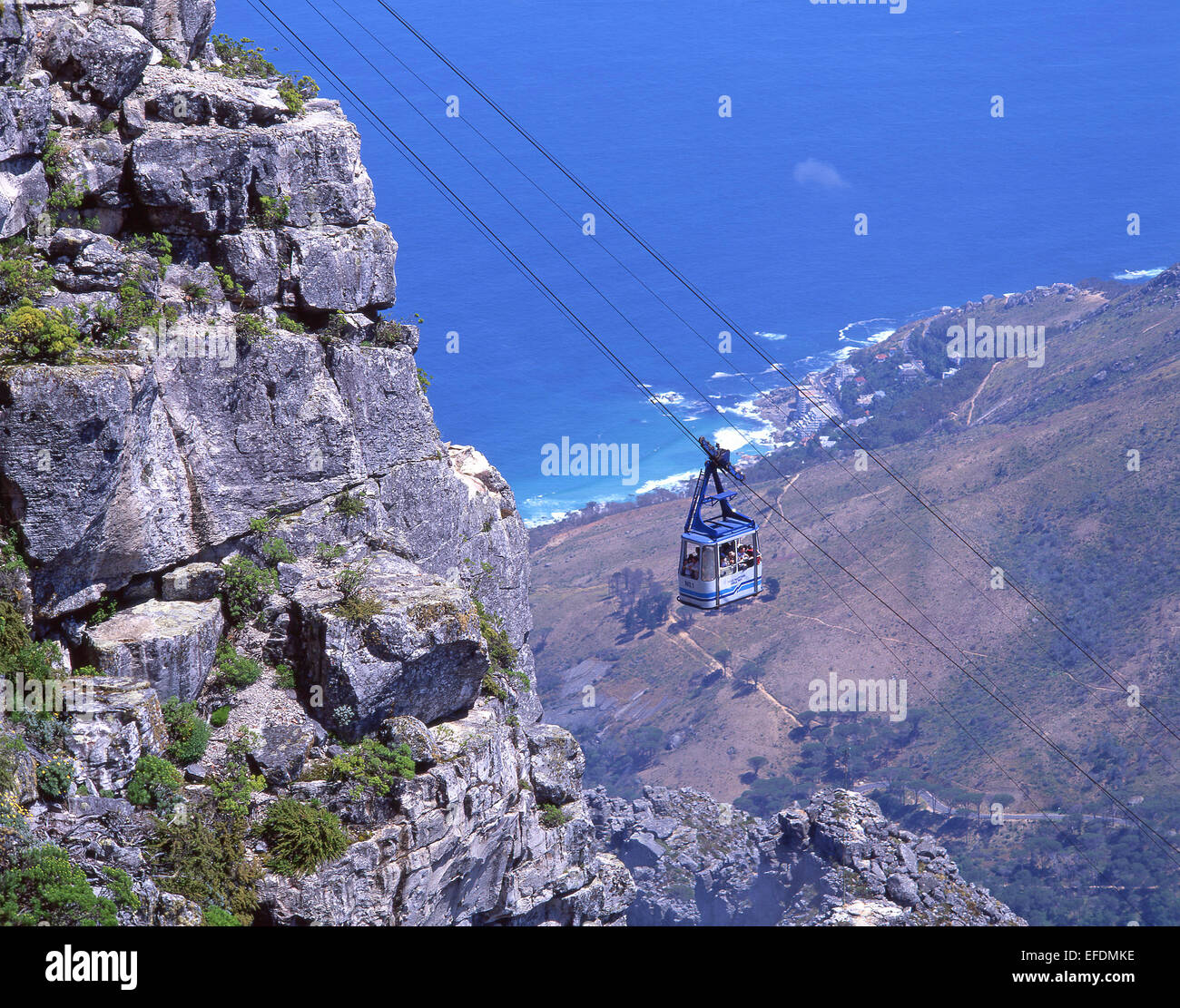
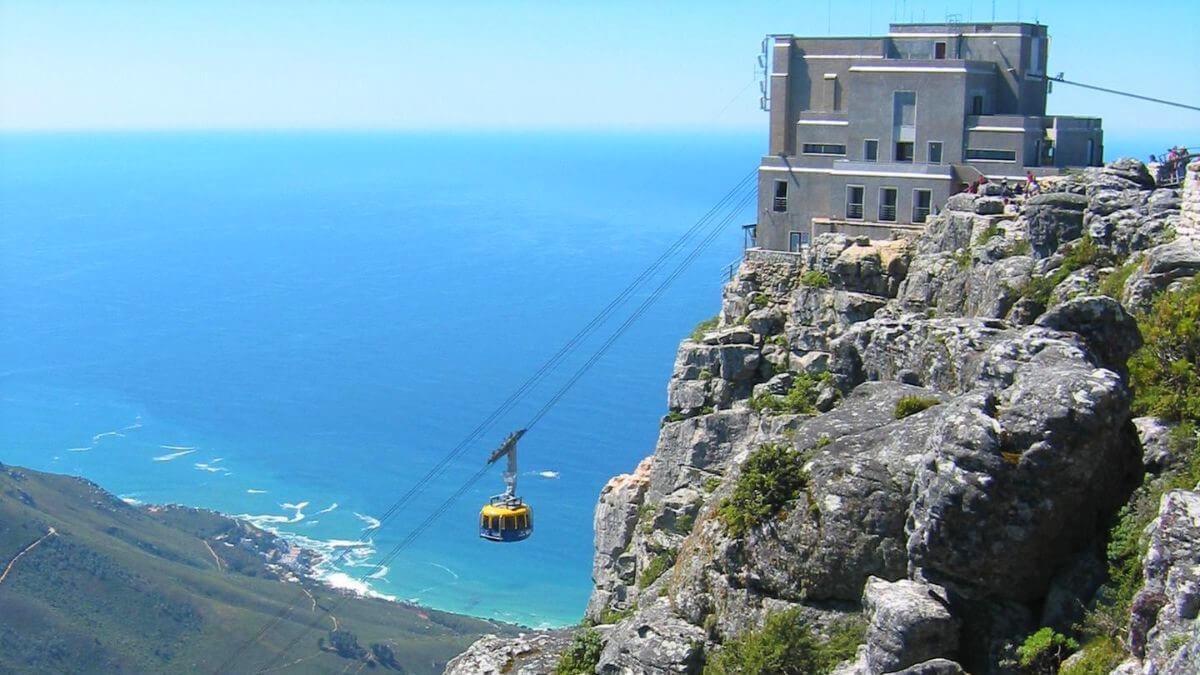
Well off topic but the scariest cable car I have used was to Tabletop >Mountain - a single span going from just above horizontal at the bottom
to near vertical at the top - with the mountain appearing to be loose >blocks, not a nice stable rockface! >https://c8.alamy.com/comp/EFDMKE/table-mountain-cable-car-table-mountain-national-park-cape-town-western-EFDMKE.jpg
https://tablemountaintickets.com/wp-content/uploads/2020/04/sea-unique-cable-car-experience.jpg
https://tablemountaincablecar.co.za/wp-content/uploads/2024/10/Table-Mountain.jpg
I went up when the cable cars were more standard design than those current.
Charles Ellson <charlesellson@btinternet.com> wrote:
On Tue, 24 Feb 2026 17:03:15 GMT, Recliner <recliner.usenet@gmail.com> wrote:
JMB99 <mb@nospam.net> wrote:The highest recorded wind speed on Cairn Gorm was 176 mph/283kph.
On 24/02/2026 11:13, Recliner wrote:
I-Ave not followed this saga in any detail, but am curious about why the >>>> troubled funicular hasn-At been replaced with a cable car, as would probably
have happened in Switzerland? Funiculars were a 19th century solution for
getting up mountains, while cable cars are a more modern, more flexible, >>>> lower cost, faster solution. Many original funiculars have been replaced by
faster, higher capacity cable cars or gondolas. It would probably take less
time to replace the funicular than to fix it.
And gondolas cannot operate when windy but funiculars are probably not >>> affected much by the wind.
The Stanserhorn CabriO cable car, which replaced a Victorian funicular, can
technically operate in winds of up to 90 km/h. However, in the interest of >> ride comfort, operations are liable to be restricted or paused if winds
exceed 70 km/h. The Cairngorm funicular trains can operate in winds of up >> to 100 to 120 km/h, but mostly don-At operate at all, regardless of wind >> speed.
https://www.flickr.com/photos/recliner/18783912294/in/album-72157655028355348
Well, that would stop any form of vehicle!
On Wed, 25 Feb 2026 14:59:40 +0000, ColinR <rail@greystane.shetland.co.uk> wrote:
On 25/02/2026 11:32, Clank wrote:
On 25/02/2026 13:02, Bevan Price wrote:
On 25/02/2026 10:27, Recliner wrote:
Charles Ellson <charlesellson@btinternet.com> wrote:
On Tue, 24 Feb 2026 17:03:15 GMT, Recliner <recliner.usenet@gmail.com> >>>>>> wrote:
JMB99 <mb@nospam.net> wrote:The highest recorded wind speed on Cairn Gorm was 176 mph/283kph.
On 24/02/2026 11:13, Recliner wrote:
I?ve not followed this saga in any detail, but am curious about >>>>>>>>> why the
troubled funicular hasn?t been replaced with a cable car, as >>>>>>>>> would probably
have happened in Switzerland?-a Funiculars were a 19th century >>>>>>>>> solution for
getting up mountains, while cable cars are a more modern, more >>>>>>>>> flexible,
lower cost, faster solution. Many original funiculars have been >>>>>>>>> replaced by
faster, higher capacity cable cars or gondolas. It would probably >>>>>>>>> take less
time to replace the funicular than to fix it.
And gondolas cannot operate when windy but funiculars are probably >>>>>>>> not
affected much by the wind.
The Stanserhorn CabriO cable car, which replaced a Victorian
funicular, can
technically operate in winds of up to 90 km/h. However, in the
interest of
ride comfort, operations are liable to be restricted or paused if >>>>>>> winds
exceed 70 km/h. The Cairngorm funicular trains can operate in winds >>>>>>> of up
to 100 to 120 km/h, but mostly don?t operate at all, regardless of >>>>>>> wind
speed.
https://www.flickr.com/photos/recliner/18783912294/in/
album-72157655028355348
Well, that would stop any form of vehicle!
The disadvantage of cable cars is that there is a long way to fall if
the cable breaks, and there have been several such incidents in recent >>>> years.
Although you'd need to go back 5 years to find a cable car accident
(Stresa-Mottarone) nearly as deadly as the Lisbon funicular accident,
and between that and Kaprun funiculars appear to have killed more people >>> in just two accidents than the entire history of cable cars combined. If >>> you included San Francisco trams as funiculars, far far more.
That totting-up will remain rough thanks to the US media universally
referring to funiculars (e.g. the accidents in Lisbon and Sri Lanka last >>> year) as 'cable cars', but in any case I can find no evidence of
funiculars being safer than cable cars.
Well off topic but the scariest cable car I have used was to Tabletop
Mountain - a single span going from just above horizontal at the bottom
to near vertical at the top - with the mountain appearing to be loose
blocks, not a nice stable rockface!
https://c8.alamy.com/comp/EFDMKE/table-mountain-cable-car-table-mountain-national-park-cape-town-western-EFDMKE.jpg
https://tablemountaintickets.com/wp-content/uploads/2020/04/sea-unique-cable-car-experience.jpg
https://tablemountaincablecar.co.za/wp-content/uploads/2024/10/Table-Mountain.jpg
I went up when the cable cars were more standard design than those current.
I like the rotating cars they have now!
This is from a trip I did in 2015: https://www.flickr.com/photos/recliner/21510740974/in/album-72157659762899512
On my most recent trip, I noticed that the cable cars now have a beer sponsor, which perhaps felt that it needed a
marketing boost, post-Covid! https://www.flickr.com/photos/recliner/55115600306/in/album-72177720332223558/lightbox/
If you think the cable car is a scary way to come down, there is another alternative...
https://www.flickr.com/photos/recliner/55114724737/in/album-72177720332223558/lightbox/
On 25/02/2026 04:07, Charles Ellson wrote:
On Tue, 24 Feb 2026 17:03:15 GMT, Recliner <recliner.usenet@gmail.com>
wrote:
JMB99 <mb@nospam.net> wrote:The highest recorded wind speed on Cairn Gorm was 176 mph/283kph.
On 24/02/2026 11:13, Recliner wrote:
IAve not followed this saga in any detail, but am curious about why the >>>>> troubled funicular hasnAt been replaced with a cable car, as would probably
have happened in Switzerland? Funiculars were a 19th century solution for
getting up mountains, while cable cars are a more modern, more flexible, >>>>> lower cost, faster solution. Many original funiculars have been replaced by
faster, higher capacity cable cars or gondolas. It would probably take less
time to replace the funicular than to fix it.
And gondolas cannot operate when windy but funiculars are probably not >>>> affected much by the wind.
The Stanserhorn CabriO cable car, which replaced a Victorian funicular, can >>> technically operate in winds of up to 90 km/h. However, in the interest of >>> ride comfort, operations are liable to be restricted or paused if winds
exceed 70 km/h. The Cairngorm funicular trains can operate in winds of up >>> to 100 to 120 km/h, but mostly donAt operate at all, regardless of wind
speed.
https://www.flickr.com/photos/recliner/18783912294/in/album-72157655028355348
Is there much demand for a day out on the mountains in that weather?
JMB99 <mb@nospam.net> wrote:
BBC News
Cairngorm funicular
Costs of keeping funicular going may outweigh its benefits, say MSPs
35 minutes ago
The costs of keeping the UK's highest railway running could outweigh its
economic benefits, MSPs have warned.
The Cairngorm funicular opened in 2001 at a cost -u19.5m but in recent
years it has been closed for lengthy periods of time with repairs
totalling more than -u16m.
....
https://www.bbc.co.uk/news/articles/c2e4npmmgy4o
IrCOve not followed this saga in any detail, but am curious about why the troubled funicular hasnrCOt been replaced with a cable car, as would probably have happened in Switzerland? Funiculars were a 19th century solution for getting up mountains, while cable cars are a more modern, more flexible, lower cost, faster solution. Many original funiculars have been replaced by faster, higher capacity cable cars or gondolas. It would probably take less time to replace the funicular than to fix it.
JMB99 <mb@nospam.net> wrote:
On 24/02/2026 11:13, Recliner wrote:
IrCOve not followed this saga in any detail, but am curious about why the >>> troubled funicular hasnrCOt been replaced with a cable car, as would probably
have happened in Switzerland? Funiculars were a 19th century solution for >>> getting up mountains, while cable cars are a more modern, more flexible, >>> lower cost, faster solution. Many original funiculars have been replaced by >>> faster, higher capacity cable cars or gondolas. It would probably take less >>> time to replace the funicular than to fix it.
And gondolas cannot operate when windy but funiculars are probably not
affected much by the wind.
The Stanserhorn CabriO cable car, which replaced a Victorian funicular, can technically operate in winds of up to 90 km/h. However, in the interest of ride comfort, operations are liable to be restricted or paused if winds exceed 70 km/h. The Cairngorm funicular trains can operate in winds of up
to 100 to 120 km/h, but mostly donrCOt operate at all, regardless of wind speed.
https://www.flickr.com/photos/recliner/18783912294/in/album-72157655028355348
Going by when the mountain rescue teams get called out, there always
seems to be someone on any day and that is just counting the rescued
ones.
That can operate in higher winds due to its design with the two cables
spaced widely, either side of the car. IIRC it was the first of its type,
and it opened ten years after the Cairngorm funicular.
On 25/02/2026 15:21, Recliner wrote:
On Wed, 25 Feb 2026 14:59:40 +0000, ColinR <rail@greystane.shetland.co.uk> wrote:
I like the rotating cars they have now!
Well off topic but the scariest cable car I have used was to Tabletop
Mountain - a single span going from just above horizontal at the bottom
to near vertical at the top - with the mountain appearing to be loose
blocks, not a nice stable rockface!
https://c8.alamy.com/comp/EFDMKE/table-mountain-cable-car-table-mountain-national-park-cape-town-western-EFDMKE.jpg
https://tablemountaintickets.com/wp-content/uploads/2020/04/sea-unique-cable-car-experience.jpg
https://tablemountaincablecar.co.za/wp-content/uploads/2024/10/Table-Mountain.jpg
I went up when the cable cars were more standard design than those current. >>
This is from a trip I did in 2015:
https://www.flickr.com/photos/recliner/21510740974/in/album-72157659762899512
On my most recent trip, I noticed that the cable cars now have a beer
sponsor, which perhaps felt that it needed a
marketing boost, post-Covid!
https://www.flickr.com/photos/recliner/55115600306/in/album-72177720332223558/lightbox/
If you think the cable car is a scary way to come down, there is another alternative...
https://www.flickr.com/photos/recliner/55114724737/in/album-72177720332223558/lightbox/
Thanks, but no thanks ;-)
On Wed, 25 Feb 2026 10:39:53 +0000, Certes <Certes@example.org> wrote:
On 25/02/2026 04:07, Charles Ellson wrote:
On Tue, 24 Feb 2026 17:03:15 GMT, Recliner <recliner.usenet@gmail.com>
wrote:
JMB99 <mb@nospam.net> wrote:The highest recorded wind speed on Cairn Gorm was 176 mph/283kph.
On 24/02/2026 11:13, Recliner wrote:
I-Ave not followed this saga in any detail, but am curious about why the
troubled funicular hasn-At been replaced with a cable car, as would probably
have happened in Switzerland? Funiculars were a 19th century solution for
getting up mountains, while cable cars are a more modern, more flexible,
lower cost, faster solution. Many original funiculars have been replaced by
faster, higher capacity cable cars or gondolas. It would probably take less
time to replace the funicular than to fix it.
And gondolas cannot operate when windy but funiculars are probably not >>>> affected much by the wind.
The Stanserhorn CabriO cable car, which replaced a Victorian funicular, can
technically operate in winds of up to 90 km/h. However, in the interest of
ride comfort, operations are liable to be restricted or paused if winds >>> exceed 70 km/h. The Cairngorm funicular trains can operate in winds of up >>> to 100 to 120 km/h, but mostly don-At operate at all, regardless of wind >>> speed.
https://www.flickr.com/photos/recliner/18783912294/in/album-72157655028355348
Is there much demand for a day out on the mountains in that weather?
Going by when the mountain rescue teams get called out, there always
seems to be someone on any day and that is just counting the rescued
ones.
On 26/02/2026 01:04, Anna Noyd-Dryver wrote:
That can operate in higher winds due to its design with the two cables
spaced widely, either side of the car. IIRC it was the first of its type,
and it opened ten years after the Cairngorm funicular.
Funiculars also have the advantage that it is easier to make money from ordinary tourists. I think I have read that our local gondola makes
most income in the Summer than from Winter tourists.
The highest recorded wind speed on Cairn Gorm was 176 mph/283kph.
| Sysop: | Amessyroom |
|---|---|
| Location: | Fayetteville, NC |
| Users: | 59 |
| Nodes: | 6 (0 / 6) |
| Uptime: | 24:33:17 |
| Calls: | 810 |
| Files: | 1,287 |
| Messages: | 195,978 |