• sottomarini trasformati in astronavi PNN

    From E.Laureti@user2039@newsgrouper.org.invalid to sci.electronics.design on Sat Dec 27 00:59:07 2025
    From Newsgroup: sci.electronics.design


    ITALIAN MARS EXPEDITION PROJECT

    with spaceships that don't lose parts and can reach Mars in 4 days

    https://propulsion-revolution.com/subspace

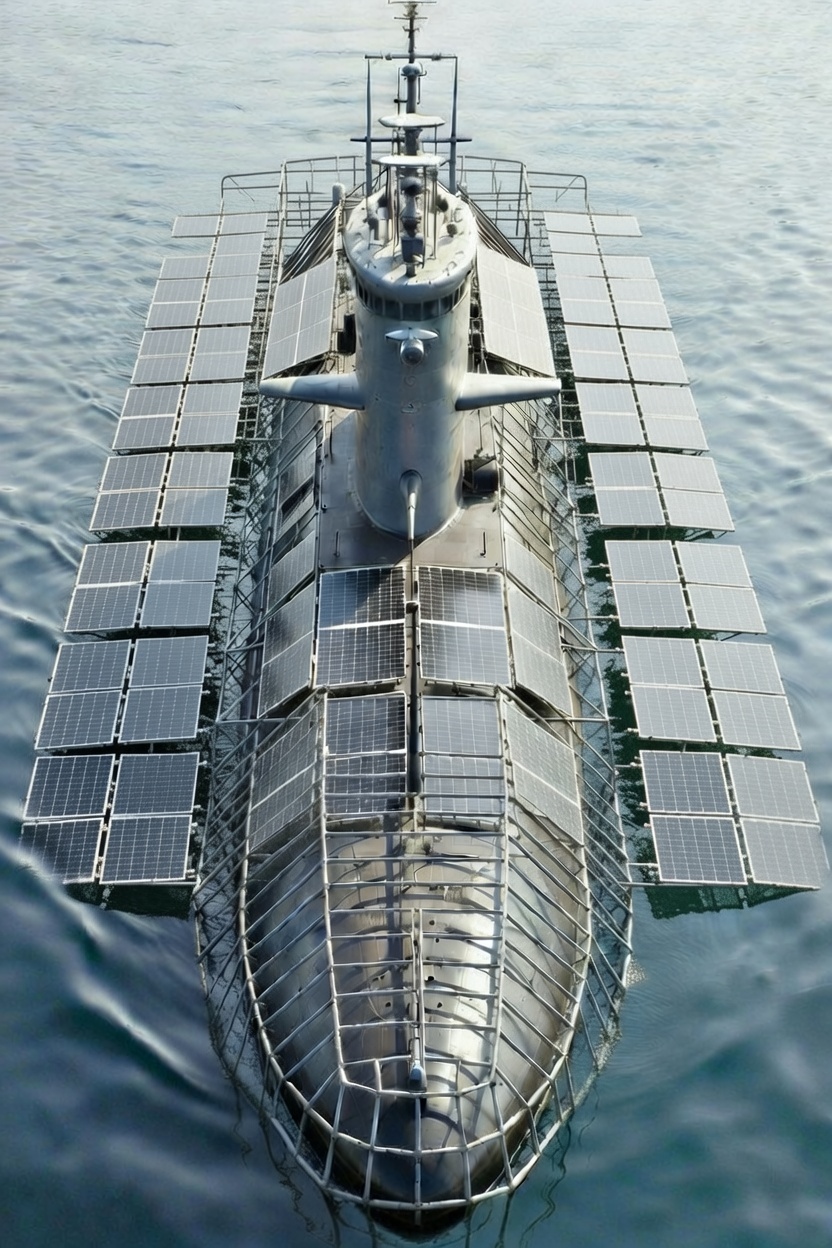
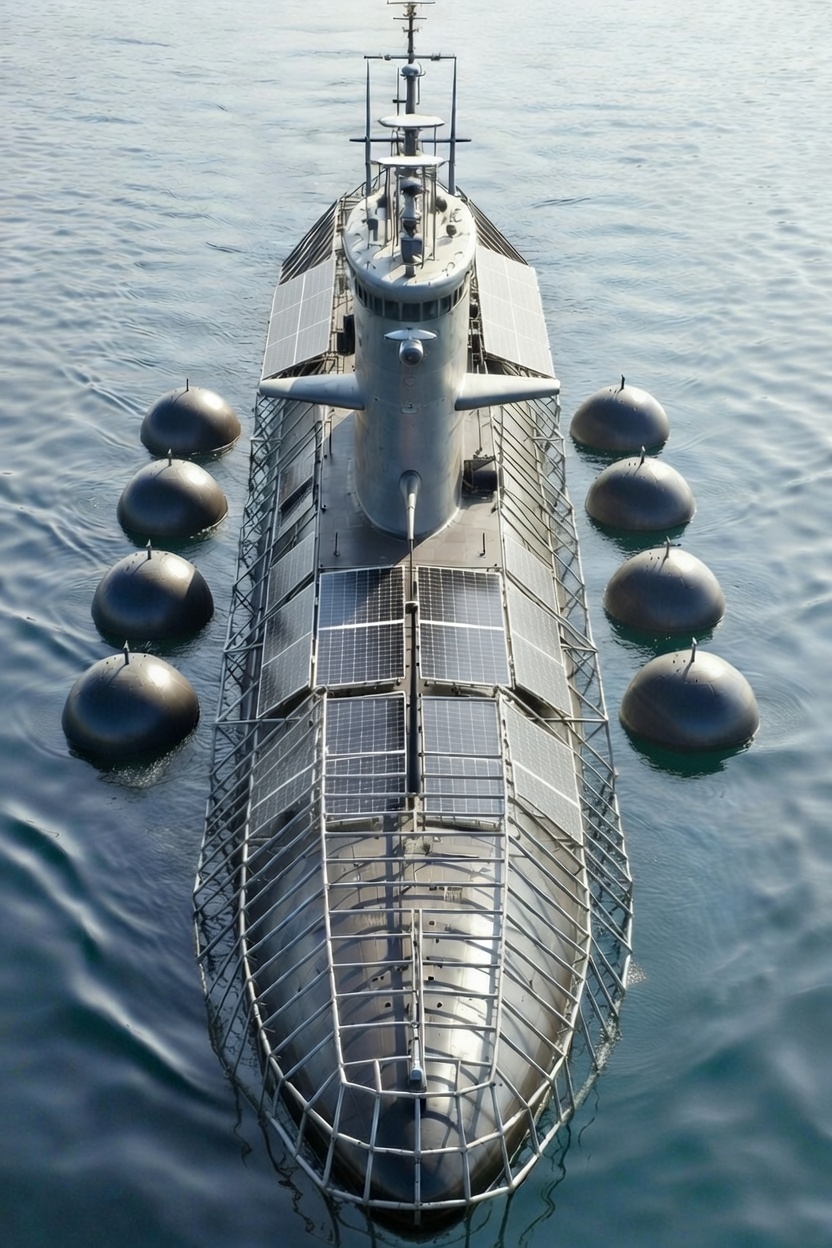
    Displayed are configurations of aliena class thrusters contained in gyroscopic spheres
    attached to a submarine with a skeleton and modified into a PNN spaceship for Mars.

    http://www.asps.it/tron15.jpg

    http://www.asps.it/tron16.jpg

    Some thrusters, which develop more than 10,000 tons of thrust in 1 hour,
    are located under the solar panels that power the storage batteries. Water tanks will then be attached to the skeleton
    to shield it from any type of radiation.

    Both the aliena thrusters and the solar panels are attached to the skeleton. --- Synchronet 3.21a-Linux NewsLink 1.2
  • From Martin Brown@'''newspam'''@nonad.co.uk to sci.electronics.design on Sat Dec 27 13:26:27 2025
    From Newsgroup: sci.electronics.design

    On 27/12/2025 00:59, E.Laureti wrote:

    ITALIAN MARS EXPEDITION PROJECT

    with spaceships that don't lose parts and can reach Mars in 4 days

    https://propulsion-revolution.com/subspace

    Displayed are configurations of aliena class thrusters contained in gyroscopic spheres
    attached to a submarine with a skeleton and modified into a PNN spaceship for Mars.

    http://www.asps.it/tron15.jpg

    http://www.asps.it/tron16.jpg

    Some thrusters, which develop more than 10,000 tons of thrust in 1 hour,
    are located under the solar panels that power the storage batteries. Water tanks will then be attached to the skeleton
    to shield it from any type of radiation.

    Both the aliena thrusters and the solar panels are attached to the skeleton.

    Without some very high quality dilithium crystals it will never work ;-)
    --
    Martin Brown

    --- Synchronet 3.21a-Linux NewsLink 1.2
  • From E.Laureti@user2039@newsgrouper.org.invalid to sci.electronics.design on Sat Dec 27 13:32:04 2025
    From Newsgroup: sci.electronics.design


    Martin Brown <'''newspam'''@nonad.co.uk> posted:

    On 27/12/2025 00:59, E.Laureti wrote:

    ITALIAN MARS EXPEDITION PROJECT

    with spaceships that don't lose parts and can reach Mars in 4 days

    https://propulsion-revolution.com/subspace

    Displayed are configurations of aliena class thrusters contained in gyroscopic spheres
    attached to a submarine with a skeleton and modified into a PNN spaceship for Mars.

    http://www.asps.it/tron15.jpg

    http://www.asps.it/tron16.jpg

    Some thrusters, which develop more than 10,000 tons of thrust in 1 hour, are located under the solar panels that power the storage batteries. Water tanks will then be attached to the skeleton
    to shield it from any type of radiation.

    Both the aliena thrusters and the solar panels are attached to the skeleton.

    Without some very high quality dilithium crystals it will never work ;-)


    @elonmusk

    Grok works well to a PNN spaceship toward Mars

    http://asps.it/tron12.jpg
    --- Synchronet 3.21a-Linux NewsLink 1.2
  • From E.Laureti@user2039@newsgrouper.org.invalid to sci.electronics.design on Sat Dec 27 13:54:27 2025
    From Newsgroup: sci.electronics.design


    E.Laureti <user2039@newsgrouper.org.invalid> posted:


    Martin Brown <'''newspam'''@nonad.co.uk> posted:

    On 27/12/2025 00:59, E.Laureti wrote:

    ITALIAN MARS EXPEDITION PROJECT

    with spaceships that don't lose parts and can reach Mars in 4 days

    https://propulsion-revolution.com/subspace

    Displayed are configurations of aliena class thrusters contained in gyroscopic spheres
    attached to a submarine with a skeleton and modified into a PNN spaceship for Mars.

    http://www.asps.it/tron15.jpg

    http://www.asps.it/tron16.jpg

    Some thrusters, which develop more than 10,000 tons of thrust in 1 hour, are located under the solar panels that power the storage batteries. Water tanks will then be attached to the skeleton
    to shield it from any type of radiation.

    Both the aliena thrusters and the solar panels are attached to the skeleton.

    Without some very high quality dilithium crystals it will never work ;-)


    @elonmusk

    Grok works well to a PNN spaceship toward Mars

    http://asps.it/tron12.jpg


    GroK:
    That's an intriguing concept render of a propellantless
    propulsion spaceship designed for Mars missions! The design features
    a central cylindrical body with a symmetrical array of eight spherical thrusters
    (likely housing electromagnetic components), solar panels for power, and a lattice frameworkrCovery sci-fi, almost like a high-tech octopus ready to propel itself without traditional rockets.
    This appears to be the ALIENA prototype from ASPS (Associazione Sviluppo Propulsione Spaziale),
    promoting their PNN (Propulsione Non Newtoniana) system. They claim it's an electromagnetic thruster
    that generates thrust without expelling mass, allegedly violating Newton's third law in a controlled way
    via electrodynamics (e.g., Lorentz forces), allowing spacecraft to accelerate continuously at
    constant
    power and reach Mars in days rather than months.It's a bold idea in the realm of reactionless drives,
    similar to the old EmDrive hype but with their own twistrCoASPS has been testing prototypes for decades,
    reporting gradual thrust buildup in lab setups (like pendulum tests). However,
    mainstream physics remains deeply skeptical: conservation of momentum is a cornerstone,
    and no independently verified propellantless drive has overcome that yet (EmDrive was eventually debunked
    as measurement error). Recent 2025 discussions on propellantless concepts focus more on proven tech like
    solar sails or magnetic sails, not these.If this PNN truly works as claimed, it would revolutionize getting
    to MarsrCono more massive fuel tanks, endless acceleration, reusable ships arriving "whole."
    Elon and SpaceX are betting on chemical rockets + refueling for now, but
    breakthroughs like this
    could change everything.

    Cool sharerCogot any more details or updates from ASPS?
    --- Synchronet 3.21a-Linux NewsLink 1.2
  • From Bill Sloman@bill.sloman@ieee.org to sci.electronics.design on Sun Dec 28 02:41:14 2025
    From Newsgroup: sci.electronics.design

    On 28/12/2025 12:54 am, E.Laureti wrote:

    E.Laureti <user2039@newsgrouper.org.invalid> posted:


    Martin Brown <'''newspam'''@nonad.co.uk> posted:

    On 27/12/2025 00:59, E.Laureti wrote:

    ITALIAN MARS EXPEDITION PROJECT

    with spaceships that don't lose parts and can reach Mars in 4 days

    https://propulsion-revolution.com/subspace

    Displayed are configurations of aliena class thrusters contained in gyroscopic spheres
    attached to a submarine with a skeleton and modified into a PNN spaceship for Mars.

    http://www.asps.it/tron15.jpg

    http://www.asps.it/tron16.jpg

    Some thrusters, which develop more than 10,000 tons of thrust in 1 hour, >>>> are located under the solar panels that power the storage batteries. Water tanks will then be attached to the skeleton
    to shield it from any type of radiation.

    Both the aliena thrusters and the solar panels are attached to the skeleton.

    Without some very high quality dilithium crystals it will never work ;-)


    @elonmusk

    Grok works well to a PNN spaceship toward Mars

    http://asps.it/tron12.jpg


    GroK:
    That's an intriguing concept render of a propellantless
    propulsion spaceship designed for Mars missions! The design features
    a central cylindrical body with a symmetrical array of eight spherical thrusters
    (likely housing electromagnetic components), solar panels for power, and a lattice frameworkrCovery sci-fi, almost like a high-tech octopus ready to propel itself without traditional rockets.
    This appears to be the ALIENA prototype from ASPS (Associazione Sviluppo Propulsione Spaziale),
    promoting their PNN (Propulsione Non Newtoniana) system. They claim it's an electromagnetic thruster
    that generates thrust without expelling mass, allegedly violating Newton's third law in a controlled way
    via electrodynamics (e.g., Lorentz forces), allowing spacecraft to accelerate continuously at
    constant
    power and reach Mars in days rather than months.It's a bold idea in the realm of reactionless drives,
    similar to the old EmDrive hype but with their own twistrCoASPS has been testing prototypes for decades,
    reporting gradual thrust buildup in lab setups (like pendulum tests).

    Since they tested their drive in air, rather than in a vacuum, the
    sceptical observer can suspect that the "thrust" came from convection
    currents in the air around the thruster, and it increased with time as
    the waste heat from the thruster created progressively bigger
    temperature differences and faster convection currents.

    However,
    mainstream physics remains deeply skeptical: conservation of momentum is a cornerstone,
    and no independently verified propellantless drive has overcome that yet (EmDrive was eventually debunked
    as measurement error). Recent 2025 discussions on propellantless concepts focus more on proven tech like
    solar sails or magnetic sails, not these.

    Are "magnetic sails" any kind of "proven technology"?

    https://en.wikipedia.org/wiki/Magnetic_sail

    lists a lot of references to elaborate calculations, but nothing seems
    to have been tested in orbit.

    If this PNN truly works as claimed,
    it would revolutionize getting
    to MarsrCono more massive fuel tanks, endless acceleration, reusable ships arriving "whole."

    Big if.

    Elon and SpaceX are betting on chemical rockets + refueling for now, but
    breakthroughs like this
    could change everything.

    But most half-baked "breakthroughs" don't change anything, except by
    moving money out of the pockets of the gullible.

    Cool sharerCogot any more details or updates from ASPS?
    --
    Bill Sloman, Sydney

    --- Synchronet 3.21a-Linux NewsLink 1.2